Which is better: story cards or story figurines? Answer first: neither is universally better — each has clear strengths. Story cards win on variety, cost, and portability; story figurines win on tactile engagement, imaginative play, and long-term replay value. The best choice depends on the child’s age, the learning goals, and whether you’re buying retail or sourcing OEM/ODM for a product line.
Quick comparison: cards vs figurines (at a glance)
- Variety: Story cards — high (typical packs: 10–50 cards / 20–200 stories possible with digital storage).
- Tactile play: Story figurines — high (3–12 character figures common).
- Cost: Story cards — lower per unit; figurines — higher due to molding and painting.
- Durability: Cards can be fragile unless plastic-coated; figurines are typically more robust.
- Portability: Cards are thinner/easier to pack; figurines take more space and weight.
- Loss risk: Cards are easier to lose individually; figurines are bulkier but fewer pieces.
How story cards work
Story cards are RFID/NFC cards, QR-coded cards, or simply labeled tokens that you insert or tap on a children’s audio story player to trigger a specific story or chapter. A typical card set for a consumer product contains 10–50 cards; combined with onboard memory (many players offer 1–8 GB), a system can host dozens to hundreds of short audio stories. Cards are inexpensive to produce in bulk (printed PVC or plastic), and they make it easy to expand content by selling additional card packs.
Pros of story cards
- Scalability: Easy to add new stories or seasonal packs.
- Lower unit cost: Card production and packaging costs are typically much lower than molded plastic figures.
- Portability: Thin, packable, good for travel.
- Content-first: Great when the goal is exposure to many stories, languages, or lessons.
Cons of story cards
- Less tactile engagement: Cards are less likely to inspire pretend play.
- Durability concerns: Paper cards wear; PVC solves some issues but adds cost.
- Easier to misplace individual cards.
How story figurines work
Story figurines are small character toys embedded with RFID/NFC tags or linked via magnetic contacts. When placed on a story machine or “story pad,” a particular audio track plays. Manufacturer sets commonly include 3–12 figures that trigger specific stories, character lines, or interactive scenes.
Pros of story figurines
- Stronger imaginative play: Children can act out scenes with the figures, supporting narrative development and language skills.
- Durability: Well-made ABS/TPR figures resist drops and chewing by younger children.
- Emotional attachment: Kids often form stronger bonds with characters, increasing replay.
Cons of story figurines
- Higher production cost: Molding, painting, and electronics integration raise unit cost.
- Fewer stories per set: A set with 6 figures might offer 6–18 character-specific stories vs. dozens of cards.
- Bulk and storage: More space required and heavier to ship.
Which is better for different age groups?
- Toddlers (1–3 years): Figurines. Young children benefit from tactile play and simple cause-effect interaction.
- Preschoolers (3–5 years): Figurines or mixed systems. At this stage, combining a few figurines with cards introduces more vocabulary and plots.
- Early readers (5–8 years): Story cards. Older kids appreciate variety and can manage many cards; they may also want to collect themed packs.
Educational and developmental considerations
- Attention span: Figurines encourage longer imaginative sessions; cards encourage quick variety and exposure to different vocabulary.
- Language learning: Cards enable easy switching between languages or series (useful for bilingual education).
- Cognitive skills: Figurines support role play, sequencing, and empathy; cards support listening comprehension and story recognition.
Practical tips for parents and B2B buyers
- Go hybrid if possible: Devices that accept both cards and figurines give the best flexibility.
- Check battery and memory: Look for players with 6–12 hours of playback and at least 1 GB of onboard storage; 4–8 GB supports extensive libraries.
- Durability and hygiene: For toddlers, choose washable figurines and plastic-coated cards.
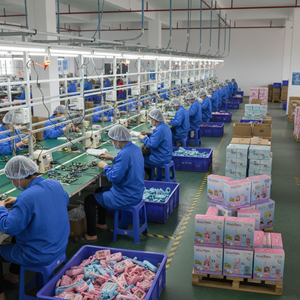
- OEM/ODM considerations: If sourcing, ask suppliers for sample runs of both card printing and figure molding. Consider per-unit cost, tooling fees for figurines, and minimum order quantities.
Recommendation
If your priority is variety, affordability, and easy content updates, choose story cards. If you prioritize imaginative, tactile play and long-term engagement for younger children, choose story figurines. For product developers and retailers, a combined system captures the largest market: figurines for early years and card packs for expanding content.
For OEM/ODM sourcing of kids story machines, contact Toyvao at sales@toyvao.com or WhatsApp +86 186 8106 4480.