Answer-first: For most young children (toddlers and preschoolers) a dedicated story machine is better than a tablet because it minimizes screen time, is more durable, easier to control, and promotes focused listening and language development. For older children who need apps, interactive learning, video, or multi‑purpose devices, a tablet is usually the better choice.
What is a story machine (children’s audio story player)?
A story machine is a single‑purpose audio device designed for kids: it plays narrated stories, songs, and sometimes language lessons. Models typically include simple controls (play/pause, next/previous, volume), long battery life, offline storage (microSD or internal flash), and safety features like volume limits (commonly capped at 75–85 dB). They are lightweight, rugged, and often shaped in child‑friendly designs.
Quick overview: tablet vs story machine
- Screen: Tablet = touchscreen display; Story machine = no or minimal screen (audio-only).
- Internet: Tablet = usually needs Wi‑Fi for full functionality; Story machine = works offline after loading content.
- Price: Story machines typically cost $20–$80; tablets range widely, typically $70–$400 or more.
- Battery life: Story machines often offer 10–40+ hours of audio playback; tablets commonly offer 8–12 hours of mixed use.
- Durability: Story machines are generally more rugged and drop resistant than tablets.
- Content control: Story machines provide simpler parental control; tablets require parental controls/apps.
Key comparison points
Screen time, attention, and development
- Impact: Pediatric guidance (American Academy of Pediatrics) recommends avoiding screens for children under 18–24 months (except video chat) and limiting 2–5‑year‑olds to about 1 hour/day of high‑quality programming. An audio story machine eliminates visual screen time and supports listening skills, vocabulary, and sustained attention.
- Sleep hygiene: Audio-only devices are less disruptive to circadian rhythms than backlit screens before bedtime.
Safety and durability
- Story machines are built for little hands—soft plastics, rounded edges, and simple buttons. They usually have fixed volume limits (often 75–85 dB) to protect hearing.
- Tablets are fragile, expensive to repair, and can expose children to unfiltered content unless parental controls are strictly managed.
Content and learning value
- Story machines focus on narrative listening and language exposure—excellent for storytelling, bilingual content, and bedtime routines.
- Tablets provide interactive learning apps, educational games, video, and creativity tools—useful for older kids or mixed learning styles.
Connectivity and privacy
- Story machines are ideal for offline use: load thousands of stories using microSD cards or USB and no constant internet required.
- Tablets often require online accounts and app downloads, increasing exposure to ads, tracking, and the need for ongoing subscriptions.
Cost and total ownership
- Story machines are usually lower cost to buy and to maintain (no subscriptions required for many story packs).
- Tablets can incur recurring costs (apps, streaming services) and higher replacement/repair costs.
Which is better for different situations?
- For toddlers (0–4 years): Story machine. It supports listening, reduces screens, and is safer and cheaper to replace.
- For preschool classrooms and daycare: Story machines are practical—easy to sanitize, durable, and usable without Wi‑Fi.
- For travel and sleep routines: Story machines win because of long battery life and offline playback.
- For school‑age kids (5+), homework, creative apps, and multimedia: Tablet is better due to versatility.
Buying tips for parents and B2B buyers
- Look for volume limit settings (≤85 dB) and timer/sleep mode.
- Check battery life claims and choose devices rated for at least 10+ hours playback for travel.
- Prefer reinforced housings, drop protection, and washable materials for younger children.
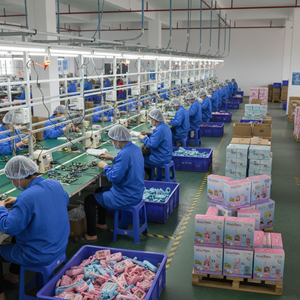
- For B2B buyers/OEM: verify certifications (CE, RoHS, FCC), battery safety (UN38.3 for lithium cells), minimum order quantities (MOQs), lead time, language/custom content support, and options for branding/packaging.
- Content & format: confirm support for MP3/AAC, microSD, Bluetooth, or NFC story cards depending on your deployment model.
Conclusion
There is no single “best” device for every family. For younger children and scenarios where reduced screen time, durability, and simple parental control are priorities, a story machine is the better choice. For multi‑functional needs, interactive learning, and older kids, a tablet is more appropriate. Choose based on age, use case, budget, and whether offline, controlled listening or multi‑app versatility is most important.
For OEM/ODM sourcing of kids story machines, contact Toyvao at sales@toyvao.com or WhatsApp +86 186 8106 4480.