What is a kids story projector machine?
A kids story projector machine is a child-friendly audio story player that combines narrated stories, music, and often visual projection to create an immersive storytelling experience. These devices play preloaded or user-loaded audio files (MP3/WAV), stream via Bluetooth, or read from microSD/USB, and many models add a small LED projector to display images or simple animations on a wall or ceiling for bedtime or group storytime.
Why parents and buyers choose them
– They encourage listening and language skills without screen-time distractions.
– They create consistent bedtime routines (stories + soft light).
– They work for toddlers and preschoolers who can’t yet use tablets independently.
Key features explained
H2: Core components and how they work
– Audio player: A built-in speaker (commonly 3W–5W) plays stories. Higher-wattage speakers produce clearer sound for group use.
– Storage/connectivity: Most units support microSD cards (8–32 GB typical), USB drives, and Bluetooth. A 1 GB MP3 (128 kbps) stores roughly 17 hours of audio; 8 GB holds ~136 hours—enough for hundreds of short stories.
– Projector: Small LED projectors with 20–100 lumens display images on walls/ceilings. Toy projectors are low-power and work best in dim rooms; image sizes often range 8–60 inches depending on throw distance. Resolutions are generally low (roughly 320×240 to 480×320 for animations), suitable for simple picture slides rather than HD video.
– Power: Rechargeable batteries (2000–5000 mAh) are common; expect 6–20 hours of playback depending on volume and projector use. Some cheaper models use AA batteries.
– Controls and safety: Volume limiters (often set at 85 dB or lower), sleep timers (5–60 minutes), and child-safe buttons are standard.
H2: Types and comparisons
H3: Audio-only story players
– Pros: Longer battery life, simpler, usually cheaper ($20–$50). Ideal for travel and toddlers.
– Cons: No visual component.
H3: Story projector machines
– Pros: Combines audio storytelling with projected pictures/animations—great for bedtime theatre. Prices range roughly $40–$150 depending on projector quality and licensed content.
– Cons: Shorter battery life when projector is used; projection quality is basic.
H3: Tablets and smart speakers vs. dedicated story machines
– Tablets/smart speakers provide broader functionality and streaming services but increase screen time or require parent accounts. Dedicated story machines are simpler, safer for young children, and easier for independent use.
Practical buying tips for parents and B2B buyers
H2: What to look for when buying
– Battery life and power type: Prefer rechargeable lithium batteries (2000 mAh+) for regular home use; check charging time (usually 2–4 hours).
– Audio quality: Look for 3W–5W speakers for clear narration; check for equalizer options.
– Storage and formats: Ensure device supports MP3/WAV and at least 8 GB via microSD for large libraries.
– Projector specs: For bedtime use, 20–50 lumens suffices if the room can be darkened. Check maximum image size and throw distance.
– Safety certifications: CE, FCC, RoHS are important for electrical safety and materials—ask suppliers for test reports.
– Parental controls: Volume limiter, sleep timer, and simple lock features help manage use.
– Durability and materials: Look for BPA-free plastic, rounded edges, and drop-resistant design for younger children.
– Content & licensing: Verify whether stories are preloaded, user-loadable, or require subscriptions. Licensed content (popular characters) often increases cost.
H2: Use cases and practical tips
– Bedtime: Use projector + sleep timer to create a calming pre-sleep routine.
– Travel: Audio-only mode is convenient on planes and cars; bring a 3.5 mm headphone jack or Bluetooth.
– Language learning: Load bilingual stories to support vocabulary and listening practice.
– Group storytime: Use a higher-watt speaker or external audio-out for preschool classrooms.
H2: OEM/ODM considerations for buyers
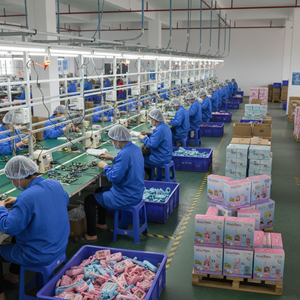
If you are sourcing units for resale or branding, ask about minimum order quantities (MOQs typically 500–2000 units depending on customization), customization options (logo, packaging, preloaded content, firmware), lead times (commonly 30–60 days), and certification support. Negotiate sample production before full production.
For OEM/ODM sourcing of kids story machines, contact Toyvao at sales@toyvao.com or WhatsApp +86 186 8106 4480.