Short answer: Buy an audio story player if you want portability, long battery life, robust durability and focused listening experiences; choose a story projector if you want strong visual engagement at bedtime, group viewing, or an immersive storytelling moment. Many families prefer a hybrid device (audio + projector) for the best of both worlds.
Quick comparison: audio story player vs story projector
- Primary purpose: audio players = listening (narration, songs, sound effects). Projectors = visual storytelling (images/animations projected on walls/ceilings) with audio often included.
- Typical price range (retail): audio players $20–$120; toy projectors $30–$150. Hybrid units usually cost more.
- Portability and battery: audio players commonly offer 6–20 hours of playback and weigh 100–400 g. Projectors frequently need larger batteries and offer 2–8 hours depending on brightness.
- Image specs for toy projectors: brightness ~20–300 lumens, image size 20–100 inches, ideal in dim/dark rooms.
- Speaker power and audio quality: toy audio players typically use 0.5–5 W speakers; projectors may have smaller speakers (0.5–3 W), so external Bluetooth speakers can improve sound.
When to choose an audio story player
- You need portability and simplicity: audio players are lightweight and ideal for travel, car rides, daycare, or naps.
- You prioritize long battery life and continuous playback: many models run 8–20 hours on a single charge.
- You want durability and child-friendly design: look for drop-resistant housings, silicone bumpers, and simple controls for ages 0–6.
- You value focused listening for language learning: audio players are excellent for developing listening comprehension, phonics and vocabulary, especially in multiple languages.
- Content and storage: many units come preloaded with 20–200 stories or support microSD/USB for MP3/WAV; typical storage options range from 128 MB to 32 GB.
- Good for: infants and toddlers, travel, parents who prefer audio-only routines.
When to choose a story projector
- You want visual magic at bedtime: projectors create an immersive show — characters, scenes, or starry skies — that make storytime more memorable.
- You’re often in a darkened room: projectors perform best in dim lighting; expect lower-effect in bright rooms.
- You want group viewing: projectors are great for siblings or small groups who share stories together.
- Considerations: check projector brightness (lumens), throw distance (0.2–2 m for short-throw toys), and image size capability. Also confirm battery life (2–8 hours typical) and whether the unit supports animated slides or interchangeable discs/cards.
- Good for: preschoolers and early elementary (ages 3–8), special-event storytelling, and visual learners.
Hybrid devices: best of both worlds
Hybrid story machines combine high-quality audio with a built-in projector. These are ideal if you want flexible use: audio-only during the day, projector-led bedtime shows at night. Expect higher cost and slightly reduced battery runtime versus a pure audio player.
Buying checklist — practical specs and features
H3: Content & usability
– Preloaded library size (50–200+ stories), language options, and ability to add content via microSD/USB/Wi‑Fi.
– Parental controls: volume limit, bedtime timers, and lockable buttons.
H3: Hardware specs
– Battery: 6–20 hrs for audio players; 2–8 hrs for projectors. Confirm charging method (USB-C preferred).
– Audio: speaker power (W), Bluetooth out for external speakers.
– Projector: lumens, resolution (toy projectors often low-res), throw distance and max image size.
H3: Safety & durability
– Materials: BPA-free plastics, rounded edges.
– Certifications: CE, FCC, RoHS for electronics safety and compliance.
H3: Price & value
– Factor in content ecosystem (free vs subscription), warranty, and replacement parts (projector bulbs are usually LED and long-lasting in toys).
For B2B buyers / OEM & ODM considerations
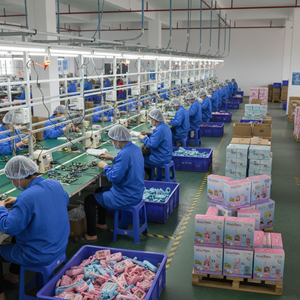
- Minimum order quantities (MOQs) for custom-branded units typically range from ~300–1,000 units depending on complexity.
- Lead times: 4–8 weeks for new molds and 3–6 weeks for repeat production, subject to factory schedule.
- Ask manufacturers for sample units, compliance documentation (CE, FCC, RoHS), and flexible firmware/content integration (custom preloaded stories, language packs, or Bluetooth pairing presets).
Bottom line recommendation
If your priority is everyday portability, robustness and language development, choose an audio story player. If your goal is a special, visually immersive bedtime routine or group storytelling, a story projector will add “wow” factor. If you want both, invest in a hybrid device or select separate units for different use cases.
For OEM/ODM sourcing of kids story machines, contact Toyvao at sales@toyvao.com or WhatsApp +86 186 8106 4480.