Answer: There’s no one-size-fits-all choice—card-based story players are best if you want low-cost, lightweight, and highly expandable storytelling that’s easy for toddlers to use; figurine-based players are better if you want tactile, collectible characters that boost imaginative play and retention. Choose based on your child’s age, how durable and portable you need the device to be, and whether you value expandability or character-driven play.
Quick comparison: card-based vs figurine-based story players
- Typical retail price range: card-based $25–$60; figurine-based $40–$100 (varies by brand/features).
- Expandability: cards ≈ easy & cheap to add; figurines ≈ more expensive per story/character.
- Durability: cards ≈ less risk if dropped; figurines ≈ bulkier but can break if poorly made.
- Engagement: cards ≈ great for quick selection & literacy; figurines ≈ stronger role-play and attachment.
How they work (brief)
- Card-based players: use NFC/RFID tags or optical recognition on cards; placing a card on the player triggers a preloaded story, song, or lesson.
- Figurine-based players: the character figure contains a tag or chip; placing the figure on the base/player launches audio tied to that character.
Key factors to consider
Age and developmental stage
- Ages 1–4: Card systems are simple—big picture cards are easy for toddlers to place and swap. But chunky figurines often appeal strongly to toddlers who prefer hands-on play.
- Ages 4–8: Figurines often win for imaginative, role-based play and storytelling extension. Cards support early reading (matching words to images) and make it easy to build a large story library.
Engagement and learning outcomes
- Figurines encourage pretend play, character identification, and narrative extension (children often act out scenes afterward).
- Cards are excellent for sequencing, vocabulary, letter-recognition, and quick topic switching—useful for multi-language sets or curricular content.
Cost, expandability, and content library
- Cards are cheaper to produce and buy; adding 10–20 new stories via cards is typically less expensive than buying the same number of new figurines.
- Figurines are collectible and can command higher price points; ideal for licensing (TV/character tie-ins) and building brand loyalty.
Durability, portability, and storage
- Cards are lightweight, flat, and store easily in boxes—good for travel and classrooms.
- Figurines are bulkier but more robust in some designs; ensure child-safe materials (BPA-free ABS plastic) and check for small parts if child is under 3.
Audio quality, battery life, and technical specs
- Typical kids story players have internal speakers of about 2–5 W and internal storage commonly 8–32 GB to store hundreds of tracks.
- Battery capacities often range from 1,000–3,000 mAh, providing roughly 6–20 hours of playback depending on volume and features (Bluetooth, LEDs).
- Check connectivity: Bluetooth, USB-C charging, microSD support, and whether the device plays content offline (important for privacy and travel).
Safety and certifications
- For parents and buyers, look for CE, FCC, RoHS, ASTM F963 or equivalent safety marks and materials testing. Rounded edges, secure battery compartments, and non-toxic paint are musts.
Practical buying tips for parents
- Match to child’s play style: active pretend-player → figurine; learner/reader or travel → cards.
- Ask about replaceability—lost figurines can be costly to replace; lost cards are cheaper.
- Prefer units with offline playback for airplane use and no surprise downloads.
- Check reviews for speaker volume, voice clarity, and robustness of connectors/sockets.
Practical buying tips for B2B/OEM buyers
- Decide trigger tech (NFC/RFID vs optical) early—NFC/RFID is durable and contactless.
- Typical internal storage and speaker specs: 8–32 GB and 2–5 W depending on price tier.
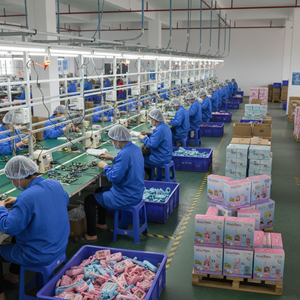
- Common MOQs in Shenzhen factories vary; many suppliers offer OEM/ODM with MOQs starting around 500–1,000 units depending on customization and tooling.
- Ask about certifications (CE/FCC/CCC/RoHS) and material safety data for export compliance.
Recommendation summary
- Buy a card-based story player if you prioritize cost-efficiency, portability, a large library of content, and ease of replacement.
- Choose a figurine-based player if you want character-driven engagement, stronger imaginative play, and collectible appeal.
For OEM/ODM sourcing of kids story machines, contact Toyvao at sales@toyvao.com or WhatsApp +86 186 8106 4480.