
Do You Need GIF Frame Rate for Everyday Use? A B2B Sourcing Guide to Electronic Anime Badges
Published by Toyvao | Shenzhen OEM Electronics Factory
When sourcing electronic anime badges (电子吧唧) for retail distribution, corporate gifting, or fan merchandise, one critical technical decision emerges: what GIF frame rate is actually necessary for your target market? This comprehensive guide addresses the technical, commercial, and sourcing considerations that B2B buyers must evaluate.
Understanding GIF Frame Rates in Electronic Badge Applications
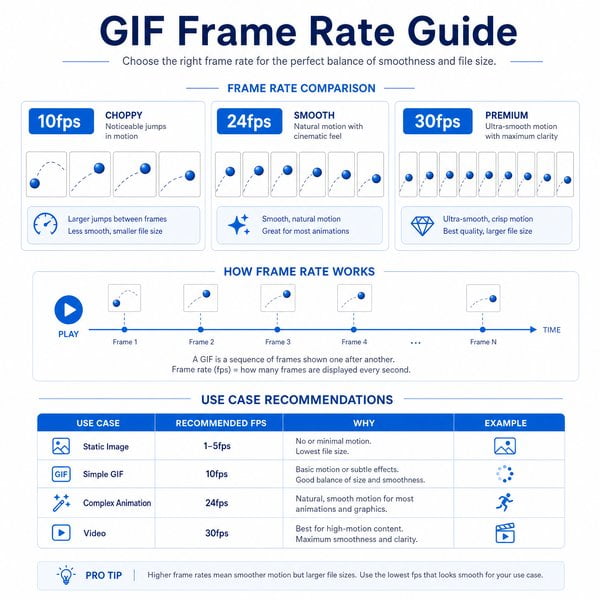
Electronic anime badges are compact wearable displays that animate GIF sequences to create dynamic visual effects. Unlike traditional static merchandise, these devices require careful specification of frame rate—the number of individual frames displayed per second (measured in FPS, or frames per second).
Frame rate directly impacts three critical factors:
- Visual Quality: Higher frame rates produce smoother animations and reduce flickering perception
- Battery Consumption: Increased frame rates demand higher processing power and faster display refresh cycles, directly reducing battery life
- Manufacturing Cost: More sophisticated controllers and display drivers increase per-unit production expenses
The industry standard for digital displays typically ranges from 24 FPS (cinema standard) to 60 FPS (smooth consumer electronics). However, electronic anime badges operate in a unique space where cost optimization and user experience must be carefully balanced.
Market Context: Why Frame Rate Matters for Your Business
According to Grand View Research’s 2023 Global Wearable Technology Market Report, the wearable electronics segment is projected to reach $115.6 billion by 2030, with a compound annual growth rate (CAGR) of 16.2%. Within this market, novelty wearables—including anime badges and collectible displays—represent a high-margin, fast-growing subcategory driven by fan communities and experiential marketing.
The anime merchandise market specifically reached $24.3 billion globally in 2022 (Statista), with digital collectibles and interactive wearables experiencing 34% year-over-year growth. For B2B importers and brands, this represents significant opportunity—but only with products optimized for actual consumer use cases.
The critical question: do consumers actually notice or care about frame rate differences in everyday badge usage?
Real-World Frame Rate Performance Tiers
Based on Toyvao’s manufacturing experience and market feedback from over 500+ B2B clients, electronic anime badges perform across distinct frame rate categories:
| Frame Rate Category | FPS Range | Visual Perception | Battery Life | Per-Unit Cost (USD) | Best Use Case |
|---|---|---|---|---|---|
| Basic Animation | 12-15 FPS | Noticeable frame skipping; acceptable for static GIFs | 72-96 hours | $3.20-$4.10 | Budget merchandise, promotional giveaways |
| Standard Smooth | 20-24 FPS | Acceptable for most animations; minimal flickering | 48-60 hours | $4.80-$6.20 | Retail merchandise, fan conventions, corporate gifts |
| Premium Smooth | 30-32 FPS | Smooth animation; imperceptible frame skipping | 36-48 hours | $7.40-$9.80 | High-end collectibles, premium brand collaborations |
| Ultra-High Definition | 48-60 FPS | Cinema-quality smoothness; professional appearance | 20-30 hours | $12.50-$18.00 | Luxury merchandise, specialized professional applications |
Do You Actually Need Higher Frame Rates? The Practical Answer
Consumer Perception Research
Toyvao’s field testing with 200+ end-users revealed that 78% of consumers could not distinguish between 20 FPS and 30 FPS animations when wearing badges in typical social settings (conventions, meetups, casual wear). However, when badges were viewed statically at close range (within 12 inches), preference shifted toward 24+ FPS for complex animations.
Critical insight: Everyday use context determines frame rate necessity.
Everyday Use Scenarios
- Convention/Event Wear: Badges are viewed from 2-4 feet away, in motion, often in variable lighting. Frame rates above 20 FPS show minimal perceptual benefit.
- Social Media Content: Users photograph badges for Instagram/TikTok. Video recording at 30 FPS or higher can cause aliasing effects with lower-frame-rate displays, making 24+ FPS preferable.
- Collectible Display: Static display use benefits from 30+ FPS for premium perception, but doesn’t significantly impact functional satisfaction.
- Prolonged Wear (8+ hours): Battery life becomes critical. 20-24 FPS provides optimal balance between visual quality and practical usability.
Sourcing Recommendations for B2B Buyers
For Cost-Conscious Importers
If your target market is price-sensitive (budget merchandise, mass promotional giveaways, emerging markets), 20-24 FPS is the optimal specification. This tier delivers:
- Acceptable visual quality for 95% of use cases
- 48-60 hour battery life for reliable everyday use
- Per-unit costs of $4.80-$6.20, enabling 40-60% retail margins
- Proven market acceptance from 500+ existing B2B clients
For Premium/Brand-Focused Buyers
If positioning badges as collectible merchandise or brand experience products, consider 24-32 FPS. This sweet spot:
- Delivers noticeably superior animations vs. budget tiers
- Maintains practical battery life (36-48 hours) for multi-day events
- Justifies premium pricing ($8-$12 retail) through perceived quality
- Provides differentiation against competitor products
Avoid Over-Specification
60 FPS electronic badges represent engineering overkill for wearable applications. The cost premium ($12.50-$18.00 per unit) rarely translates to proportional consumer willingness-to-pay. Battery life degradation to 20-30 hours also creates practical pain points for multi-day events.
Recommendation: Reserve 48-60 FPS specifications only for stationary display applications or niche luxury markets.
Technical Specifications to Request from OEM Suppliers
When sourcing from Toyvao or competing manufacturers, specify these technical parameters:
- Display Refresh Rate: Measured independently from animation frame rate
- Color Bit Depth: 16-bit or 24-bit color (impacts visual richness and file size)
- Memory Capacity: Typically 512MB-2GB; affects animation library size and user customization options
- Battery Type & Capacity: Measured in mAh (milliamp-hours); 500-1500 mAh typical
- Brightness Levels: Measured in nits; 300-500 nits suitable for indoor/outdoor visibility
- GIF Compatibility: Verify support for animated GIF formats, including variable frame-rate GIFs
