
Can a Child Sleep with a Talking Pen? A Comprehensive Guide for Parents
Talking pens have emerged as innovative educational tools, offering interactive learning experiences for children. They can pronounce words, read stories, and engage young learners with audio feedback. However, a common question among parents is whether it is safe for a child to sleep with a talking pen. This article delves into the potential benefits and risks, providing a comprehensive guide for parents.
Understanding Talking Pens and Their Educational Value
Talking pens are designed to enhance a child’s learning journey, particularly in language development and reading comprehension. By tapping on words or images in specially designed books, children can hear pronunciations, definitions, and even sound effects. This interactive nature encourages independent learning and can make reading more engaging and accessible, especially for toddlers and children with reading difficulties. Many models are built to be sturdy and safe for young users, minimizing immediate physical hazards during daytime use.
Potential Risks of Sleeping with a Talking Pen
While talking pens offer significant educational advantages, introducing any object into a child’s sleep environment warrants careful consideration. Several potential risks are associated with a child sleeping with a talking pen:
- Choking Hazard: Depending on the design and size, small parts of a talking pen, such as battery covers or decorative elements, could pose a choking hazard, particularly for very young children. Even if the pen itself is large, a broken piece could become dangerous.
- Physical Injury: Although talking pens are generally designed with rounded edges, any hard object in a bed could potentially cause injury if a child rolls onto it or moves abruptly during sleep. This risk is similar to that of traditional pens, which have been documented to cause injuries, though typically when actively used or played with.
- Battery Safety: Most talking pens are battery-operated. While modern devices have safety features, there’s always a minimal risk of battery leakage or overheating, which could be harmful. Ingesting small button batteries is a severe medical emergency.
- Noise and Sleep Disruption: If accidentally activated during the night, a talking pen could produce sounds that disrupt the child’s sleep or the sleep of others in the household. Consistent, uninterrupted sleep is crucial for a child’s development.
- Entanglement: Although less common with pens, any cord or strap attached to the device could pose an entanglement risk, especially for infants and toddlers.
- Screen Time Before Sleep (if applicable): Some advanced talking pens might have small screens or light-emitting components. Exposure to screens or bright lights before bedtime can interfere with melatonin production, affecting sleep quality.
General Child Sleep Safety Guidelines
Pediatric sleep experts consistently emphasize creating a safe sleep environment. Key recommendations include:
- Clear Sleep Space: The crib or bed should be free of loose blankets, pillows, bumper pads, and toys, especially for infants. For older children, minimizing clutter in the bed reduces injury risks.
- Supervision: Regular checks on sleeping children, particularly those prone to sleepwalking or night terrors, are important to ensure their safety.
- Child-Proofing: Ensuring the bedroom is child-proofed, with dangerous objects out of reach and electrical outlets covered, is essential.
Recommendations for Parents
Given the potential risks, it is generally not recommended for a child to sleep with a talking pen or any other electronic device. To ensure both safety and continued educational benefit, consider the following:
- Designated Learning Time: Encourage the use of talking pens during daytime learning and play sessions, under adult supervision.
- Bedtime Routine: Integrate the talking pen into a pre-bedtime routine that focuses on winding down, such as reading a physical book with the pen, but ensure the pen is put away before the child falls asleep.
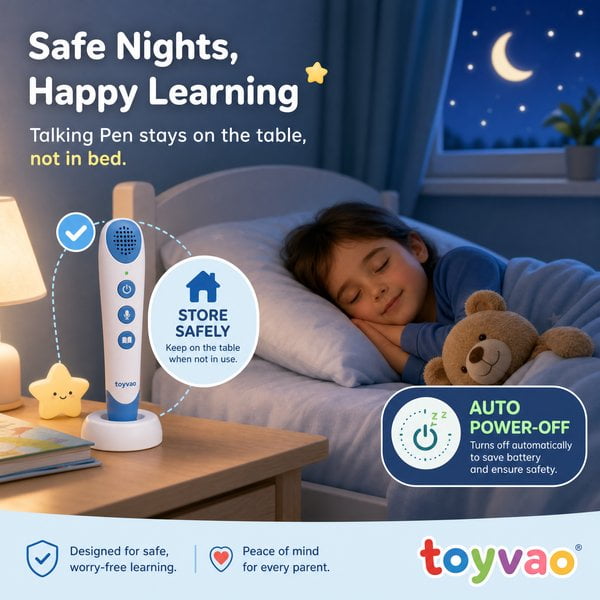
- Safe Storage: Store the talking pen in a designated, safe place away from the child’s bed after use.
- Battery Management: Ensure batteries are securely enclosed and replace them according to manufacturer guidelines. If using rechargeable pens, charge them outside the child’s bedroom and unplug them once fully charged.
- Consider Age and Development: The risks associated with objects in bed can vary with a child’s age and developmental stage. Younger children are generally at higher risk for choking and entanglement.
Conclusion
While talking pens are valuable educational tools, prioritizing a child’s safety during sleep is paramount. The potential risks associated with sleeping with a talking pen, including choking hazards, physical injury, and sleep disruption, outweigh the benefits of having it in bed. By establishing clear boundaries for its use and maintaining a safe sleep environment, parents can ensure their children reap the educational rewards of talking pens without compromising their well-being.
