RFID card recognition is the technical heartbeat of any learning-card-machine project. Choosing the right chip, antenna, and system architecture determines reliability in classrooms, retail stores, and distribution channels—and directly impacts user experience, durability, and compliance for B2B buyers.
Key technical factors that determine RFID card recognition
Successful recognition is the sum of hardware, firmware, and physical design choices. Below are the primary factors product teams must control to achieve consistent reads in real-world deployments.
1. Frequency band and tag standard
- LF (125–134 kHz): short read ranges, high tolerance to liquids and metals; useful where proximity is required.
- HF (13.56 MHz, ISO 14443 / ISO 15693): common for access cards and learning cards (MIFARE, NTAG); reliable 1–10 cm reads and strong ecosystem for education content mapping.
- UHF (860–960 MHz): longer ranges (meters), but more sensitive to orientation, environmental interference, and regulatory variation across markets.
2. Tag chip type and memory layout
Chip selection affects UID stability, user memory size, and security (e.g., MIFARE Classic vs. NTAG vs. DESFire). For a learning card machine where offline audio mapping and simple ID-to-file lookup are required, choose chips with:
- Stable factory UID to prevent duplicate IDs in production
- Sufficient user memory if storing metadata on-card
- Supported anti-collision and authentication if multiple cards can be presented simultaneously
3. Antenna design, matching and card form factor
Antenna quality dictates read range and orientation sensitivity. Antenna size must match the learning-card-machine’s reader coil geometry and PCB layout. Card thickness, embedded foil, or metallic inks in laminated cards can detune antennas—prototype with final materials.
4. Reader power, protocol handling and firmware
More transmit power and optimized modulation algorithms give higher read reliability—but also increase power consumption. The reader firmware should implement robust anti-collision routines, configurable gain, debounce timing, and error handling for partial reads.
5. Environmental and use-case constraints
- Classroom noise: quick tap-and-go behavior requires sub-200 ms recognition latency.
- Material interference: stickers, metallic laminates, and moisture reduce performance.
- Temperature and abrasion: cards in toddler products require durable laminates and child-safe inks compliant with toy safety standards.
Business & compliance factors that influence recognition strategy
Regulatory and certification requirements
Choose chips and materials that simplify certification (CE, FCC, RoHS, EN71). 73% of parents prioritize safe and non-toxic toys, so compliance with toy-safety regulations is essential to minimize returns and expedite market acceptance (NPD Group).
Supply chain and quality control
Sourcing ICs from recognized manufacturers (NXP, Infineon, ST) reduces UID collisions and long-term supply risk. China’s toy export ecosystem supports large-scale delivery—China Toys export value exceeds $38 billion annually—making factory-level QA and certified suppliers critical for global distribution (China Customs).
Practical steps to optimize RFID recognition in your learning-card-machine
- Define the use case: proximity vs. deliberate tap, indoor vs. outdoor, single vs. multi-card reads.
- Select frequency and standardized chip families to match use case and target markets.
- Prototype with final card materials and thickness; iterate antenna geometry.
- Tune reader firmware: adjust gain, debounce, packet timeout, and anti-collision algorithms.
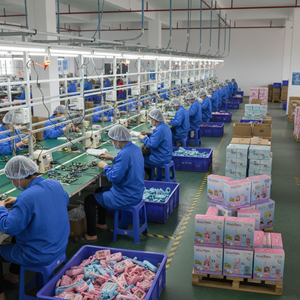
- Run environmental and lifecycle tests: humidity, abrasion, child-safety tests, and power-cycling.
- Establish manufacturing QA: UID sampling, read-rate acceptance thresholds, and batch traceability.
Testing checklist (quick reference)
- Read success rate ≥ 99% in target usage scenarios
- Recognition latency ≤ 200 ms for tap-and-go interactions
- Pass safety and chemical tests demanded by your target market
- Firmware OTA/update path for field fixes
Security, data mapping and offline behavior
Decide whether the card is a simple identifier (UID-only) or carries content pointers. UID-only cards simplify production and privacy concerns; storing metadata on-card enables offline operation but requires secure memory mapping. Encryption and authentication choices affect licensing, cloning resistance, and integration with backend systems.
For many learning-card-machine projects, offline mapping (UID→audio file index stored on the device) is preferred because it preserves privacy, reduces data costs, and improves reliability in low-connectivity environments. According to educational studies, tactile learning tools increase retention by about 40% vs screen-based learning, which reinforces the value of robust, offline tactile systems in early childhood education (Journal of Educational Psychology).
Cost vs. reliability: choosing the right product tier
| Tier | RFID Frequency | Supported Tags | Read Range | Certifications | OEM/ODM Features |
|---|---|---|---|---|---|
| Basic | HF (13.56 MHz) | NTAG/UID-only | 0–5 cm | CE / RoHS | Simple branding, limited firmware options |
| Pro | HF (13.56 MHz) | MIFARE Classic, NTAG, optional DESFire | 0–10 cm | CE / FCC / RoHS / EN71 | Custom audio mapping, multiple languages, firmware updates |
| Enterprise | HF/UHF hybrid | DESFire, secure elements, UID & NDEF | 0–1 m (UHF mode) | All major certificates + factory audit | Full OEM/ODM, dedicated antenna tuning, custom secure provisioning |
Operational recommendations for B2B buyers
When sourcing learning-card-machines at scale, require supplier documentation on UID collision rates, antenna tuning reports, lifecycle testing, and certifications. Insist on an acceptance sample run and clear remediation SLAs for read-rate failures. Given the educational toy market’s strong growth—projected to reach $34.5 billion by 2028—selecting a partner that balances cost, certification, and engineering support is essential to capture market momentum (Grand View Research).
FAQ
Which RFID frequency is best for a toddler learning-card machine?
HF (13.56 MHz) is typically best for toddler learning-card machines—it provides reliable short-range reads, broad chip availability (NTAG/MIFARE), and better tolerance to classroom environments than UHF.
How do card materials affect recognition?
Laminates with metallic foil, very thick plastics, or adhesive overlays can detune card antennas and reduce read range. Always prototype with final card materials and run antenna tuning.
Is UID-only mapping enough for offline operation?
Yes. UID-only mapping is simple, privacy-friendly, and robust for offline systems. If you need content stored on-card, choose chips with protected user memory and implement authentication.
What read success rate should I require from suppliers?
Specify a read success rate ≥ 99% in your acceptance criteria under defined use cases (tap speed, orientation, and environmental conditions) and require test logs for each batch.
Which certifications matter for global distribution?
CE, FCC, RoHS, and toy-specific standards like EN71 are commonly required. For U.S. retail, confirm FCC and ASTM/ CPSIA compliance; for EU, CE and EN71 are essential.
Ready to Source from Toyvao?
Contact us today for factory-direct pricing, OEM/ODM customization, and fast global shipping.
WhatsApp: +86 186 8106 4480
Email: sales@toyvao.com
Website: toyvao.com