Short answer: When buying a kids story player, prioritize safety (materials and volume limits), age-appropriate content and controls, clear audio and enough battery life/storage for stories, durable childproof design, and verified certifications. For B2B buyers also check OEM/ODM capabilities, minimum order quantities, lead times, and testing/certification support.
H2: Key features to evaluate
H3: Safety first
– Volume limiting: WHO and many pediatricians recommend a maximum of 85 dB to protect hearing. Choose players with a built-in volume cap or child lock.
– Materials and construction: Look for BPA-free, phthalate-free plastics or silicone. Rounded edges, covered ports, and no small detachable parts help prevent choking hazards.
– Certifications: For consumer confidence and import compliance, check for CE (EU), EN71 (toy safety), ASTM F963 (US toy safety), FCC (wireless devices in the US), and RoHS (restricted substances). For B2B orders make sure the manufacturer can provide test reports.
H3: Age-appropriate content and controls
– Age ranges: Devices and content designed for 0–3 years focus on simple lullabies and short stories; 3–6 years include longer narratives and interactive prompts; 6+ can handle chapter books and language learning.
– Content format: Built-in libraries vs. microSD/USB upload vs. streaming. Offline playback (preloaded files or microSD) is best for toddlers and travel; streaming offers larger libraries but requires Wi‑Fi.
– Parental controls: Look for the ability to restrict content, set playtime limits, or lock volume/buttons. Some models let parents manage content via a companion app.
H2: Audio quality, speakers, and connectivity
H3: Sound specs to compare
– Speaker power: Typical kids players use 1–3W mono speakers. For clearer sound choose higher wattage and a tuned speaker box. Some premium models offer stereo and better bass for adult-read audiobooks.
– Formats supported: MP3 is universal; AAC/WAV/FLAC support is useful if you plan to transfer higher-quality files.
– Connectivity: Bluetooth 4.2 or 5.0 for phone pairing, 3.5mm aux for wired listening, Wi‑Fi for streaming, and microSD/USB-A for file transfer. Decide if you want streaming (requires account/subscription) or simple offline playback.
H2: Power, battery, and portability
– Battery life: Expect 8–20 hours of continuous playback depending on battery size and volume. Consumer devices commonly use 1000–2500 mAh Li‑ion batteries; higher capacity equals longer playback.
– Charging: USB-C charging is faster and more universal than micro-USB. Fast charge support is a bonus.
– Size & weight: Lightweight (200–500 g) and compact players are better for toddlers and travel. Waterproof or splashproof ratings (IPX4) are useful for bath-time use.
H2: Durability, design, and ease of use
– Controls: Big tactile buttons are ideal for young children. Touch screens can be elegant but may break or distract.
– Build: Seek shockproof designs, replaceable silicone covers, and washable materials. Some models include a handle or strap for carrying.
– Maintenance: Removable covers, easy-to-clean surfaces, and battery replaceability extend lifespan.
H2: Price, warranty, and support
– Price range: Simple offline players start around $20–$40; mid-range devices with Bluetooth and larger libraries sit at $50–$100; premium story machines with Wi‑Fi and apps can cost $100–$150+.
– Warranty and returns: One-year warranties are common; two years are better for B2B deals or expected heavy use. Check the return policy and availability of replacement parts.
– Customer support: For parents, fast consumer support is important. For B2B buyers, ask about MOQ, lead time, and after-sales support.
H2: Tips for B2B buyers (OEM/ODM)
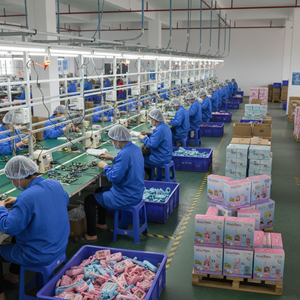
– MOQ and lead time: Typical MOQs range from 300–1,000 pieces; expect prototype/sample lead times of 2–4 weeks and production lead times of 30–90 days depending on customization.
– Customization: Look for options for branding, firmware changes (custom boot screens, preloaded content), language localization, and packaging design.
– Testing and certification support: Confirm the manufacturer can arrange CE/FCC/EN71 testing and provide test reports necessary for your target markets.
– Logistics: Discuss packaging, labeling (retail barcodes), and drop-shipping or consolidated freight options.
H2: Final checklist before buying
– Is the volume limited to ~85 dB?
– Are materials certified and child-safe?
– Does the device support the content format you want (microSD, USB, Bluetooth, streaming)?
– Is battery life sufficient for typical use (8–20 hours)?
– Does the supplier provide warranties, replacement parts, and certification documents?
For OEM/ODM sourcing of kids story machines, contact Toyvao at sales@toyvao.com or WhatsApp +86 186 8106 4480.