
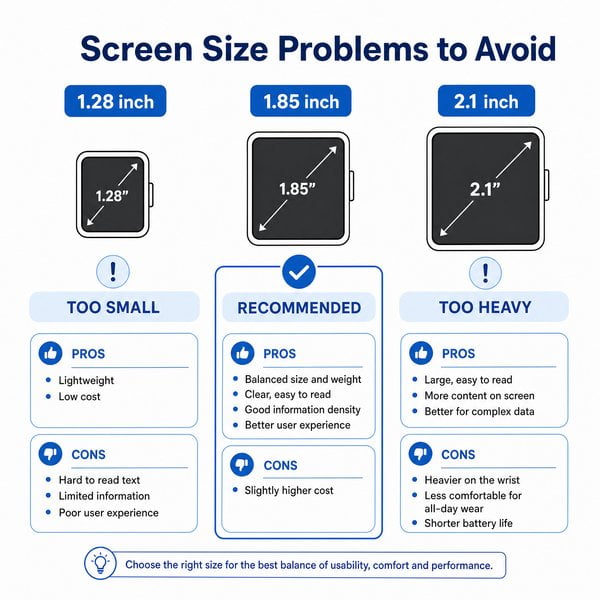
What Problems Can Occur with Screen Size? A Comprehensive B2B Sourcing Guide for Electronic Anime Badges
Electronic anime badges (digital round badges) have become a cornerstone product in the wearable merchandise market. As a B2B buyer or brand manager sourcing these products, understanding screen size challenges is critical to ensuring product quality, customer satisfaction, and profitability. This guide explores the technical, manufacturing, and commercial implications of screen size decisions when sourcing from OEM factories.
Market Context: Why Screen Size Matters
The global wearable display market is experiencing rapid expansion. According to Grand View Research, the wearable display market was valued at USD 4.2 billion in 2022 and is expected to grow at a CAGR of 15.8% through 2030. Within this ecosystem, anime merchandise—particularly electronic badges—represents a specialized but high-growth segment, especially across Asian markets and anime fan communities worldwide.
Screen size is not merely an aesthetic consideration—it directly impacts manufacturing complexity, cost structure, display clarity, battery consumption, and end-user satisfaction. Selecting the wrong screen size during the sourcing phase can result in production delays, higher defect rates, and diminished product appeal.
Common Screen Size Problems in Electronic Anime Badges
1. Resolution and Pixel Density Mismatches
One of the most prevalent issues encountered when sourcing electronic anime badges is the mismatch between screen size and resolution specifications. A common problem occurs when manufacturers offer a larger display panel but fail to scale resolution proportionally.
- Pixelation Issues: A 2.4-inch display with only 320×240 resolution will appear pixelated and crude, particularly problematic for anime artwork that requires fine detail clarity.
- Text Readability: Smaller text elements become illegible when pixel density drops below 150 PPI (pixels per inch).
- Animation Smoothness: Lower resolution panels struggle to render smooth animations, creating a jerky, unprofessional appearance.
2. Viewing Angle Degradation
Screen size expansion often introduces viewing angle problems, particularly with lower-cost LCD panels commonly used in budget anime badge production. As display size increases without corresponding panel quality upgrades, color shift and brightness loss become pronounced at oblique angles—a critical issue since users view badges from multiple angles.
3. Manufacturing Tolerance Variations
Larger screens magnify manufacturing tolerances. A 0.1mm deviation in bezel alignment becomes visually apparent on a 2.8-inch display but negligible on a 1.2-inch screen. This leads to:
- Uneven border spacing around the display
- Screen misalignment within the badge housing
- Light bleeding from edges
- Increased rejection rates during quality control
4. Power Consumption and Battery Life Trade-offs
Larger screens consume proportionally more power. A poorly specified screen size can result in:
- Battery depletion within 6-8 hours instead of the promised 12+ hours
- Thermal management issues (screen generates excessive heat)
- Customer complaints and warranty claims
- Increased return rates affecting your brand reputation
5. Supply Chain and Lead Time Complications
Non-standard screen sizes create sourcing bottlenecks. While common sizes (1.3″, 1.5″, 2.0″) have established supply chains with 4-6 week lead times, custom or oversized displays may require 8-12 weeks, complicating inventory planning and time-to-market strategies.
6. Cost Escalation and Margin Compression
Screen costs scale non-linearly with size. A 1.5-inch OLED display might cost $2.50 per unit, while a 2.4-inch variant could cost $6.00—a 140% increase for only 60% more screen area. This cost structure can significantly compress profit margins if not accounted for during the sourcing phase.
Screen Size Specifications: Recommended Tiers for B2B Sourcing
| Screen Size | Resolution (Recommended) | PPI | Typical Use Case | Est. Unit Cost (USD) | Battery Life |
|---|---|---|---|---|---|
| 1.3 inches | 240×240 | 224 | Entry-level, compact designs | $1.80-$2.20 | 14-16 hours |
| 1.5 inches | 320×320 | 246 | Standard anime badge (most popular) | $2.40-$2.90 | 12-14 hours |
| 1.8 inches | 360×360 | 245 | Premium tier, enhanced detail | $3.50-$4.20 | 10-12 hours |
| 2.0 inches |
