What is a screen-free audio player for kids?
A screen-free audio player for kids — often called a kids story machine or children’s audio story player — is a compact device that plays spoken stories, songs, lullabies, and educational content without a visual display. Designed to reduce screen time and encourage listening skills, these devices use simple physical controls, preloaded files or removable media, and child-safe materials to deliver age-appropriate audio experiences.
How screen-free audio players work
Most kids audio players use straightforward hardware and software to keep operation simple and reliable:
- Storage: internal flash memory (commonly 2–8 GB) or a microSD card slot. A 4 GB device typically holds dozens of full-length childrens’ audiobooks or 30–50 hours of compressed MP3 audio, depending on bitrate.
- Playback formats: MP3 and WAV are most common; some models also support AAC.
- Controls: tactile buttons (play/pause, forward, back, volume) and sometimes a rotary knob. No touchscreen.
- Power: rechargeable Li-ion batteries delivering typical playback times of 8–20 hours on a single charge; standby times of days to weeks.
- Connectivity: Bluetooth for pairing with headphones or a speaker on advanced models; USB for charging and file transfer. Many are intentionally offline (no Wi‑Fi) to maintain privacy and focus.
- Speaker: built-in mono or stereo speaker (commonly 1–3 W), with a 3.5 mm headphone jack in many units.
Key features parents and buyers should look for
- Age-appropriate content: nursery rhymes and short stories for toddlers (0–3), adventure & longer stories for ages 4–8.
- Robust build: soft-touch silicone, rounded corners, and drop-resistant housings. Typical weight: 120–300 g.
- Battery life: aim for at least 8 hours continuous play for portable use; 12–20 hours is common in higher-capacity models.
- Storage: 2–8 GB internal or microSD support; removable storage makes content updates easier.
- Parental controls: physical locks, scheduled timers (auto-off after 15–60 minutes), volume limits (max 75–85 dB).
- Certifications and materials: CE, FCC, RoHS compliance and BPA-free plastics.
- Ease of content updating: drag-and-drop via USB or desktop app, or preloaded content for plug-and-play use.
Educational and developmental benefits
- Language skills: listening to stories improves vocabulary, comprehension, and imagination.
- Attention and memory: following a narrative exercises sustained attention more than short-form visual media.
- Sleep routines: screen-free bedtime stories reduce blue-light exposure and can improve sleep onset.
- Independence: children can operate simple devices themselves, building confidence and routine.
Comparison: screen-free audio player vs tablet, audiobook app, or smart speaker
- Screen-free player vs tablet: audio players eliminate visual distraction and blue light. Tablets offer interactive visuals but increase screen time and may require supervision.
- Screen-free player vs audiobook app: apps require a device, internet, or subscriptions. Physical players often work offline, with curated content and simpler controls.
- Screen-free player vs smart speaker: smart speakers offer voice interaction and streaming, but raise privacy concerns and depend on Wi‑Fi. Dedicated kids players are offline by design and safer for unsupervised use.
Practical buying tips for parents
- Choose by age band: short, repeatable content and easy buttons for toddlers; longer stories and chapter navigation for older kids.
- Check volume limits and set them before giving the device to a child.
- Look for replaceable battery or good warranty (1–2 years) from a reputable brand.
- Consider portability (size and weight) if you travel frequently.
What B2B buyers should know (OEM/ODM considerations)
- Customization: manufacturers frequently offer custom housing colors, logos, preloaded content, and packaging.
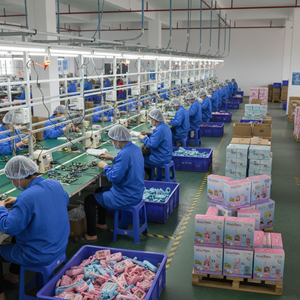
- Minimum order quantities: typical MOQs in Shenzhen factories range from about 300–1,000 units depending on complexity and customization.
- Certifications: plan for CE for EU, FCC for US, and RoHS for material compliance. These add time and cost during product development.
- Lead times: prototype to production often 6–12 weeks, plus certification time if required.
Safety and maintenance
- Clean with a damp cloth; avoid submerging unless rated waterproof.
- Replace charging cables if damaged; follow manufacturer charging guidelines.
- Keep software/firmware updated only if provided by the vendor — many devices are intentionally static offline products to avoid unexpected changes.
Screen-free audio players for kids are a practical, low-distraction way to give children stories, music, and learning content while protecting sleep and reducing screen time. They are especially useful in bedrooms, travel, and quiet play situations.
For OEM/ODM sourcing of kids story machines, contact Toyvao at sales@toyvao.com or WhatsApp +86 186 8106 4480.