What is a kids story machine? A kids story machine (also called a children’s audio story player or story speaker) is a compact, child-safe device designed to play narrated stories, songs, and educational audio for young children. It typically focuses on simple controls, durable materials, and curated content so kids can listen independently without a screen.
How kids story machines work
Most kids story machines combine hardware and preloaded or downloadable audio content. Typical components include:
– A small speaker (commonly 1–3 watts) and amplifier for clear speech.
– Internal storage (8 GB–32 GB) or a microSD/TF card slot for hundreds of MP3/AAC files.
– Simple user controls: play/pause, next/previous, volume, and a sleep timer.
– Power options: rechargeable lithium battery (6–20 hours of playback) or replaceable batteries.
– Connectivity: Bluetooth for phone pairing, USB-C for charging and file transfer, and sometimes Wi‑Fi for content updates.
Some models are completely offline (no network) for privacy, while advanced ones allow streaming via Wi‑Fi or seamless pairing to smart phones.
Key features to consider
Content library and formats
Good players come preloaded with 50–300 stories including nursery rhymes, fairy tales, language lessons, and original content. Look for support of common audio formats (MP3, AAC, WAV). For licensed commercial content, check DRM and distribution rights.
Battery life and charging
Expect 6–20 hours of continuous playback depending on battery capacity and speaker volume. Rechargeable units commonly use USB-C and charge in 2–4 hours; some low-cost players still use AAA batteries for convenience.
Storage and expandability
Internal storage of 8–32 GB can hold hundreds of hours of audio. Devices with microSD support allow easy expansion and customization for parents or B2B customers.
Audio quality and volume control
Speech clarity is more important than loud bass. Look for devices with at least 1W–2W output and a volume limiter to protect young ears (recommended max ~85 dB).
Durability and child safety
Materials: food‑grade silicone bumpers and ABS plastic housings are common. Weights vary but many devices are 150–400 g, sized to fit small hands. Check for smooth edges, washable cases, and IP ratings for splash resistance.
Parental controls
Useful features include volume limiters, sleep timers (5–60 minutes), content selection locks, and simple navigation so parents can manage listening time and content.
Benefits for children and families
- Screen-free entertainment: Supports language development, imagination, and listening skills without screen time.
- Independent use: Intuitive knobs and buttons allow preschoolers to play stories without adult help.
- Multilingual learning: Many devices include bilingual content or language learning modules, useful in multilingual households.
- Portability: Lightweight units are travel-friendly, great for car rides or bedtime routines.
Kids story machine vs. tablets and smart speakers
- Privacy and focus: Story machines typically don’t require accounts or always-on microphones, offering greater privacy and fewer distractions than tablets or smart speakers.
- Battery and durability: Story players often last longer on a charge and are built for rough handling. Tablets provide visuals and apps; story machines keep attention on listening.
- Cost: Basic story players range from about $20–$60; advanced or licensed-content models and smart speakers built for kids range $60–$150.
Buying tips for parents and B2B buyers
- Match features to age: For babies and toddlers choose simple, rugged devices with large buttons; older children may enjoy more content variety and Bluetooth streaming.
- Check certifications: Look for CE, FCC, RoHS, EN71 and any region-specific toy safety compliance (e.g., CPSIA in the U.S.).
- Evaluate support and updates: For subscription or online content, confirm content update frequency and licensing terms.
- Compare total cost of ownership: Consider included stories, need for additional purchases, battery replacements, and warranty.
OEM/ODM considerations for B2B buyers
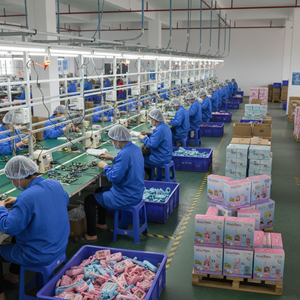
If you’re sourcing custom story machines, note typical supplier practices: MOQs often range from a few hundred to a few thousand units depending on customization; sample lead times are commonly 7–14 days and production runs 30–60 days depending on complexity. Verify supplier quality systems, certifications, and intellectual property arrangements for preloaded content.
For OEM/ODM sourcing of kids story machines, contact Toyvao at sales@toyvao.com or WhatsApp +86 186 8106 4480.