A card-based story player is a child-friendly audio device that plays a specific story, song, or audio file when the child inserts, taps, or places a specially encoded card near the player. The cards act as physical triggers (using NFC/RFID, QR/barcode scanning, or optical recognition) that tell the player which preloaded audio track to play — offering a tactile, screen-free way for young children to select and listen to stories.
How a card-based story player works
- Trigger technologies
- NFC/RFID (most common): Cards contain a small chip (often NTAG series at 13.56 MHz) that the player reads when the card is tapped or placed on the reader.
- QR/barcode cards: The device uses an optical reader or camera to scan a printed code on the card.
-
Mechanical/contact cards: Less common — cards are inserted into a slot to close a switch or read a magnetic stripe.
-
Audio storage and formats
- Players store audio files in onboard flash memory (typical ranges: 128 MB to 8 GB). For example, a 512 MB device can hold roughly 9–18 hours of audio depending on bitrate (128 kbps vs 64 kbps).
-
Common formats: MP3 and WAV. Files are linked to card IDs, so tapping a card plays the corresponding file.
-
Power and connectivity
- Battery life commonly ranges from 6 to 20 hours of playback depending on speaker size and volume.
- Update methods: microSD, USB/Type-C, Bluetooth, or Wi‑Fi for loading new stories.
Key features to look for
- Durable, child-safe construction: rounded edges, non-toxic materials, and laminated or PVC cards.
- Speaker quality and volume: small speakers are usually 1–3 W. Choose a device with a volume limit (WHO recommends avoiding prolonged sound above 85 dB).
- Parental controls: lockout modes, timed play, and volume caps.
- Expandability: microSD slot or Bluetooth/Wi‑Fi for adding new content.
- Headphone jack (3.5 mm) or Bluetooth for private listening.
- Recording function: allows parents to record a personalized voice message or bedtime story.
- Physical organization: numbered/color-coded cards and a storage box for easy cataloguing.
Benefits for children and parents
- Screen-free learning: encourages listening skills, imagination, and language development without screen time.
- Tactile interaction: handling cards builds motor skills and helps non-readers choose content independently.
- Reusability and portability: cards are easy to swap in and out and the players are typically lightweight for travel.
- Multi-lingual and custom content: many players support content in multiple languages, useful for bilingual households.
Practical buying advice for parents
- Age range: choose based on durability and interface — many players target 0–3, 3–6, and up to 8 years old.
- Content library: check whether the device comes with preloaded licensed stories and whether you can add your own audio.
- Storage needs: if you want many long stories, prefer 512 MB–2 GB internal memory or a microSD expansion slot.
- Safety and sound: look for volume limiters and high-quality casing. Avoid devices without clear safety materials or CE/FCC markings.
- Price: basic units with card/NFC systems often retail from about $25–$60. More feature-rich units (Bluetooth, Wi‑Fi, high-capacity storage) cost more.
Considerations for B2B buyers and OEM/ODM sourcing
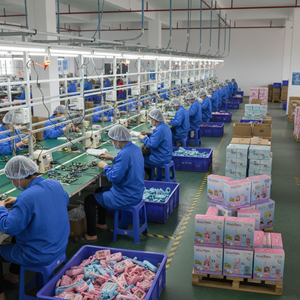
- Customization: manufacturers can provide branded housings, custom card printing, preloaded audio in multiple languages, packaging, and instruction manuals.
- Certifications: request CE, FCC, RoHS test reports; battery-powered devices should meet UN38.3/IEC standards.
- Minimum order quantities and lead times: typical OEM runs begin at a few hundred to a few thousand units; lead times commonly 30–60 days after tooling and approvals.
- Cost factors: price per unit varies with components (speaker wattage, memory, wireless modules). Ballpark factory pricing for OEM configurations often ranges from roughly $8–$30 per unit depending on volume and features — request quotes with clear specs.
Pros and cons compared with tablets or smart speakers
- Pros: tangible interaction, screen-free, lower distraction, durable, simpler UX for pre-readers.
- Cons: less flexible than an app ecosystem; updating many cards or adding content can be more labor-intensive; physical cards require storage.
Card-based story players combine tactile engagement with safe, screen-free listening. For parents, they’re an easy way to encourage independent listening and language growth. For schools, preschools, and retailers, they offer a customizable product line with straightforward logistics and strong parental appeal.
For OEM/ODM sourcing of kids story machines, contact Toyvao at sales@toyvao.com or WhatsApp +86 186 8106 4480.