Answer-first: Yes — a kids story machine is worth buying for many families and early-learning programs, provided you choose a model that matches your child’s age, listening habits, and safety priorities. These devices reliably encourage language development, independent listening, and screen-free entertainment while often costing much less than a tablet and offering stronger parental controls.
How kids story machines help (quick overview)
Kids story machines, also called children’s audio story players, are purpose-built devices that play audio stories, songs, and sometimes educational content. They remove screens and distractions, making them effective for:
– Building vocabulary and listening skills: repeated listening improves comprehension.
– Establishing routines: bedtime stories or car-time playlists.
– Independent play: kids can operate tactile buttons or voice prompts.
– Language learning: many devices offer bilingual libraries.
Key benefits and specific facts
- Cost-effective: basic models range from about $20–$60; advanced Wi‑Fi or Bluetooth models typically cost $60–$150.
- Battery life: most players run 8–20 hours per charge; portable options often use rechargeable Li-ion batteries.
- Storage and content: simple models include 50–500 preloaded stories; devices with SD/USB support often offer 8–32 GB storage (enough for hundreds of stories). Streaming models tie into subscription libraries with thousands of titles.
- Durability and safety: typical weight is 150–400 g; many are made from ABS plastic and silicone, BPA‑free, and have shockproof or washable covers.
- Parental controls: sleep timers, volume limits, content filters, and app management are common on mid-to-high-end models.
When a story machine is especially worth it
- Ages 0–7: These ages benefit most. For infants and toddlers, choose screenless, tactile players; for preschoolers, look for interactive storytelling or sing-along features.
- Families wanting screen-free alternatives: story machines eliminate blue light and app distractions.
- Long commutes or travel: compact, rechargeable devices with offline storage are convenient for car or plane.
- Preschools and waiting rooms: bulk purchases provide predictable, child-friendly content and durability compared with tablets.
What to look for when buying
H3: Age-appropriate design
– 0–3 years: chunky buttons, simple interface, soft materials.
– 3–7 years: character voices, quizzes, music, and episode navigation.
– 7+ years: longer chapter books, podcasts, and language-learning content.
H3: Content and expandability
– Preloaded vs. streaming: preloaded devices work offline and avoid subscriptions; streaming devices grant larger libraries but require Wi‑Fi and often subscriptions.
– Format compatibility: MP3, WAV, or proprietary files; check SD card/USB support if you want to add content.
H3: Safety and durability
– Materials: BPA-free plastics, non-toxic paints.
– Certifications: look for CE, FCC, RoHS compliance.
– Physical protection: rubberized edges, washable covers, and volume-limiting speakers (usually capped around 85 dB).
H3: Practical specs to compare
– Battery: 8–20 hours typical; USB‑C charging common.
– Storage: 8–32 GB or expandable via microSD.
– Speaker: 1–3 W mono speakers are typical; look for clear midrange for voices.
– Weight/size: aim for under 400 g for true portability.
Comparing story machines to alternatives
- Versus tablets: Story machines are cheaper, more durable, and screen-free; tablets offer more apps and video but add distractions.
- Versus audiobooks/apps: Dedicated players are simpler for kids and safer; apps offer broader libraries but need adult setup and sometimes subscriptions.
Buying tips for parents and B2B buyers
- For parents: prioritize age fit, ease of use, and offline content if you travel. Expect to spend $30–100 for a flexible model with good battery and parental controls.
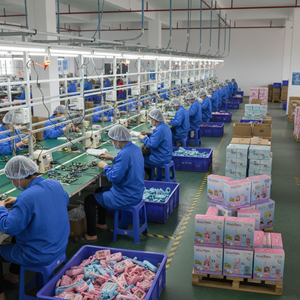
- For preschools or retailers (B2B): check minimum order quantities (MOQs), certifications, warranty terms, and after-sales support. Typical OEM/ODM lead times: samples in 7–14 days, mass production 30–45 days; MOQs often range from 500–1,000 units depending on customization.
- Evaluate customization: branding, language packs, preloaded content, packaging, and firmware options are useful for private-label products.
Conclusion
A kids story machine is worth buying when you want a durable, child-friendly, screen-free way to deliver stories and early-learning audio. Choose a model matched to age, content needs (preloaded vs streaming), and safety features. For bulk purchases, check OEM/ODM options, certifications, and lead times to ensure the device fits your program or product line.
For OEM/ODM sourcing of kids story machines, contact Toyvao at sales@toyvao.com or WhatsApp +86 186 8106 4480.