How B2B Buyers Should Evaluate English, Spanish, French and Arabic Versions When Sourcing Talking Flash Card Machines
Choosing the right multilingual talking flash card machine is a technical and commercial decision: language quality, pedagogy, hardware and regulatory compliance all affect product performance and market acceptance. This guide gives importers, distributors and brand owners a structured evaluation framework to compare English, Spanish, French and Arabic versions and to source effectively from a factory partner like Toyvao.
Why multilingual quality matters for B2B buyers
Educational toys are a fast-growing segment — the global educational toy market is projected to reach $34.5 billion by 2028 (CAGR 9.5%) — which makes correctly localized products essential to win shelf space and repeat purchases. Parents prioritize safety and trust: 73% name “safe and non-toxic” as their top purchase criterion. Beyond safety, language accuracy and culturally appropriate content drive retention: children using tactile learning tools show up to 40% better retention versus screen-based learning, so audio clarity and pedagogical alignment are critical.
Evaluation checklist: language & pedagogy (H3)
1. Native-speaker voice talent vs TTS (Text-to-Speech)
- Recorded native voices: best for natural pronunciation, expression and phonics for pre-readers.
- TTS: faster, cheaper for updates and multi-variant voices, but evaluate phonetic accuracy and expressive phonics handling for young learners.
- Ask for A/B audio samples (native vs TTS) in each language and test with native-speaking teachers or focus groups.
2. Phonics and syllable mapping
- English and French phonics are different: ensure the audio files map to letter-sound activities and common reading schemes.
- Spanish is largely phonetic; ensure consistent pronunciation rules (e.g., ce/ci, rr).
- Arabic needs curriculum-aware handling: short vowels (harakat), letter forms and diglossia (Modern Standard vs dialects) must be specified.
3. Script, UI and RTL considerations (Arabic)
- Arabic requires right-to-left interfaces if any on-device display or card printing influences interaction.
- Ensure card layout, icons and packaging are localized for RTL markets; confirm firmware and app handling of Unicode/UTF-8 text.
Hardware, firmware and content delivery
Beyond audio, evaluate these technical specs:
- Storage and updates: on-device flash memory size and OTA/USB update options for adding languages or fixing audio.
- Audio quality: sample rate ≥ 16kHz; speaker wattage and frequency response suitable for clear speech in noisy environments.
- Power and battery life: days of standby and hours of continuous playback to meet classroom or home usage expectations.
- Card recognition tech (if used): compatibility with current card formats and tolerance to print variations.
Safety, compliance and supply chain
Certifications and materials matter for retailers and distributors worldwide.
- Mandatory and common certifications: CE, EN71, RoHS for EU; FCC for US; local GCC standards for Middle East when applicable.
- Material safety: demand test reports showing non-toxic plastics and inks; reference the NPD Group data that safety is the top parental concern.
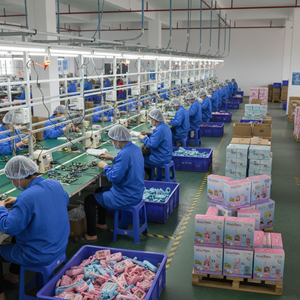
- Factory reliability: China toy exports exceed $38 billion annually — partner with factories experienced in global compliance and export logistics to minimize delays.
Commercial evaluation: pricing, MOQ, and customization
Negotiate these with the supplier early:
- Voice licensing: one-time master recording vs per-unit license fees for voices used across territories.
- OEM/ODM costs: per-language content creation, card printing plates, and packaging localization add to tooling fees.
- Minimum order quantities (MOQs) for each language SKU and lead times for reorders.
Pilot testing: recommended steps
- Request functional samples in each language (physical card set + device firmware/audio).
- Run a two-week in-market pilot with 10–30 families or preschool classrooms in target regions using native-speaker evaluation checklists.
- Measure key KPIs: comprehension rate, repeat usage, breakage/failure rate, and parental satisfaction.
- Iterate on audio, firmware or card copy based on pilot feedback before full production.
Comparative feature table: English vs Spanish vs French vs Arabic
| Feature / Language | English | Spanish | French | Arabic |
|---|---|---|---|---|
| Voice Option | Native recordings or TTS | Native recordings or TTS | Native recordings or TTS | Prefer native recordings (M.S.T vs dialect choice) |
| Phonics Support | Advanced phonics mapping | Simple syllabic mapping | Complex liaison & accents | Harakat handling & letter forms |
| UI / Script | LTR Latin script | LTR Latin script | LTR Latin script | RTL Arabic script (UI/packaging adjustments) |
| Typical Markets | US, UK, Australia | Latin America, Spain | France, Canada (QC), Africa | MENA region |
| Certification Focus | CE, FCC, ASTM | CE, ASTM | CE, NF compliance | CE, GCC; local import approvals |
Negotiation checklist for language packages
- Ask for itemized costs per language: recording, editing, cards, firmware integration.
- Request royalty/license terms for voice talent and third-party content.
- Set acceptance criteria in the purchase order: audio accuracy rate, defect rate, and certification deadlines.
Final selection criteria for B2B buyers
Prioritize suppliers who deliver: native-quality audio, documented safety compliance, scalable production, clear licensing, and pilot-tested educational outcomes. With the educational toy market expanding rapidly, and growing demand for localized content, choosing the right language implementation converts to faster market entry and higher adoption.
How can I verify the pronunciation quality for each language before ordering?
Request full audio samples for representative card sets and run them by native-speaking teachers or language experts; include a clause in the PO for rejection criteria based on native-speaker feedback.
Should I choose recorded voices or TTS for multilingual SKUs?
Recorded native voices give superior phonics for pre-readers; TTS reduces update costs. Use recorded voices for primary language SKUs and consider TTS for secondary or updateable content.
What specific Arabic issues should I watch for?
Specify Modern Standard Arabic vs dialect, ensure handling of short vowels (harakat) for beginners, and verify packaging/UI adjustments for RTL layout and Unicode text rendering.
Which certifications are most important for global distribution?
Common must-haves include CE and EN71 for EU, FCC/ASTM for US, RoHS for material compliance; confirm local market-specific approvals (e.g., GCC) for MENA distribution.
How should I pilot multilingual versions cost-effectively?
Order small pre-production lots per language, run two-week home/classroom trials with native-speaking participants, and use structured KPIs to decide on full production.
Ready to Source from Toyvao?
Contact us today for factory-direct pricing, OEM/ODM customization, and fast global shipping.
WhatsApp: +86 186 8106 4480
Email: sales@toyvao.com
Website: toyvao.com