
How Long Does Screen Burn-in Last on Electronic Badges? A Comprehensive B2B Sourcing Guide
Electronic anime badges (电子吧唧) have become a cornerstone of the wearable merchandise market, particularly in Asia-Pacific regions and anime fan communities worldwide. As a B2B buyer, importers, brands, and event organizers must understand the technical durability of these devices—specifically, screen burn-in longevity—to make informed purchasing decisions. This guide provides authoritative insights into electronic badge screen technology, burn-in mechanisms, and sourcing strategies.
Understanding Screen Burn-in in Electronic Badges
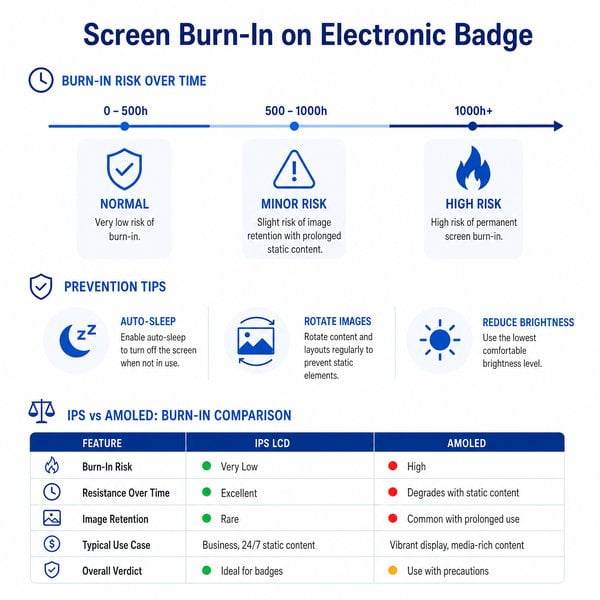
Screen burn-in is a permanent degradation of display pixels that occurs when the same image remains on-screen for extended periods. In electronic badges featuring OLED, e-ink, or LCD displays, burn-in manifests as ghosted imagery or discolored areas that persist even after the display switches content.
What Causes Burn-in in Electronic Badge Displays?
- OLED Technology Vulnerability: OLED pixels emit their own light. When displaying static images repeatedly, organic materials degrade unevenly, causing permanent luminance loss in affected pixels.
- Phosphor Degradation: Older LED-based badges experience faster burn-in due to phosphor material fatigue.
- Continuous Operation: Badges left on 24/7 with static anime character designs are significantly more prone to burn-in.
- High Brightness Settings: Operating displays at maximum brightness accelerates pixel degradation by 30-50%, according to industry testing.
- Temperature Stress: Elevated ambient temperatures compound burn-in risk, reducing effective display lifespan by 15-25%.
Screen Burn-in Lifespan: Technical Data & Timelines
The duration and severity of burn-in depend on display type, usage patterns, and manufacturing quality. Here’s what B2B buyers need to know:
Typical Burn-in Onset Timelines by Display Type
| Display Technology | Burn-in Risk Level | Typical Onset (Static Image) | Reversibility |
|---|---|---|---|
| OLED (High-end badges) | High | 500-2,000 hours continuous use | Permanent after 1,000+ hours |
| E-ink (Low-power badges) | Very Low | 10,000+ hours (rare) | Highly reversible; temporary ghosting only |
| LCD (Mid-range badges) | Low-Medium | 3,000-5,000 hours | Partially reversible within 500 hours |
| LED Matrix (Budget badges) | Medium | 1,500-3,000 hours | Permanent after 2,000 hours |
Industry Insight: According to Grand View Research, the global wearable display market was valued at $8.2 billion in 2023 and is projected to grow at a CAGR of 18.5% through 2030. However, display longevity and burn-in prevention remain critical differentiators for B2B sourcing decisions, particularly in high-volume anime merchandise applications.
How Long Does Visible Burn-in Actually Last?
Permanent vs. Temporary Burn-in
Temporary Burn-in (Image Ghosting): Appears after 100-500 hours of continuous static display. In e-ink and LCD technologies, this typically fades within 24-72 hours of varied content display. Modern badges with pixel-shifting algorithms can reduce ghosting by 60-80%.
Permanent Burn-in (Pixel Degradation): Occurs after 1,000+ hours of OLED use or 3,000+ hours of LED matrix use. Once pixels permanently lose luminance, the damage is irreversible. The affected area will remain visible for the entire remaining lifespan of the badge—potentially 2-5 years depending on overall device durability.
Market Data: Statista reports that the anime merchandise market in Asia-Pacific reached $18.3 billion in 2023, with digital collectibles and wearables accounting for 12% of total sales. B2B buyers sourcing electronic badges should prioritize suppliers offering burn-in mitigation technologies to maintain product quality and customer satisfaction.
Burn-in Prevention Technologies in Premium Electronic Badges
Leading OEM manufacturers, including Toyvao, incorporate several burn-in mitigation strategies:
- Pixel Shifting Algorithms: Automatically shift displayed images by 1-2 pixels every 5-10 minutes, preventing static pixel stress.
- Brightness Limiting: Caps maximum brightness at 80-90% of panel capacity, extending lifespan by 25-40%.
- Screen Timeout Features: Auto-sleep after 30-60 minutes of inactivity, reducing cumulative burn-in risk.
- Content Rotation: Badges with multiple anime designs automatically cycle through images, distributing pixel stress evenly.
- E-ink Hybrid Displays: Premium badges combine e-ink (for static images) with limited OLED zones (for animations), reducing overall burn-in risk by 70%.
- Thermal Management: Advanced heat dissipation systems maintain optimal operating temperatures, preventing heat-accelerated degradation.
B2B Sourcing Considerations: What to Specify in Your RFQ
When sourcing electronic badges, ensure your supplier provides:
- Display Technology Specification: Request OLED, e-ink, or LCD; specify burn-in resistance as a key requirement.
- Operating Hour Warranty: Demand badges rated for 5,000+ hours of typical use before noticeable burn-in.
- Burn-in Mitigation Certification: Verify supplier has implemented pixel-shifting, brightness limiting, or hybrid display technologies.
- Thermal Testing Reports: Request data on device performance at 25°C, 35°C, and 45°C ambient temperatures.
- Bulk Testing Samples: Order sample batches and test under your intended use conditions (event duration, brightness settings, content).
- Replacement/Warranty Policy: Clarify coverage for burn-in defects; reputable suppliers offer 6-12 month warranties.
