
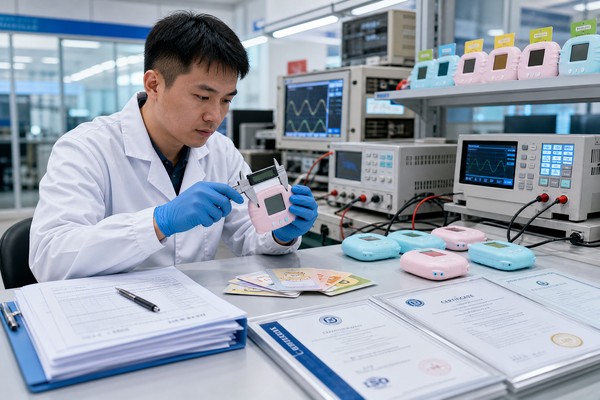
Sourcing educational toys, such as talking flash cards, from China offers immense opportunities for high margins and scalable production. However, partnering with the wrong manufacturer can lead to catastrophic quality issues, delayed shipments, and intellectual property theft. For B2B buyers, Amazon FBA sellers, and educational brands, conducting rigorous due diligence is non-negotiable. At Toyvao, a premier Shenzhen-based manufacturer of children’s educational electronics, we welcome thorough factory audits. This comprehensive guide outlines the critical steps to evaluate a Chinese toy factory before you commit to a bulk order.
Why is Factory Evaluation Critical for Educational Toys?
Educational electronics are complex products. They combine plastic injection molding, PCB assembly, audio programming, and paper printing. Furthermore, products intended for children under three years old are subject to the strictest safety regulations globally [1].
Mitigating Quality and Safety Risks
A factory lacking stringent Quality Control (QC) processes will produce toys with defects—ranging from malfunctioning audio chips to hazardous sharp edges or toxic materials. A single safety recall can destroy a brand’s reputation and result in severe financial penalties from regulatory bodies like the CPSC or European Commission [2].
Ensuring Supply Chain Reliability
Your business relies on consistent inventory. A factory with poor production planning, inadequate raw material sourcing, or unstable labor relations will inevitably miss delivery deadlines. Evaluating their operational capacity ensures they can scale with your business and meet peak season demands.
Step-by-Step Factory Evaluation Process
Evaluating a factory should be a structured process, moving from initial desktop research to physical verification and sample testing.
Step 1: Desktop Verification and Background Checks
Before engaging in deep negotiations, verify the factory’s fundamental legitimacy.
- Business License Verification: Request a copy of their Chinese business license (营业执照). Verify the registered capital, date of establishment, and business scope. A true manufacturer will have “manufacturing” or “production” listed in their scope, unlike trading companies.
- Export Experience: Check their export records (often accessible via third-party customs data platforms). A factory with a history of exporting to your target market (e.g., US or EU) is more likely to understand and comply with local regulations.
- Certifications: Request their ISO 9001 (Quality Management System) certificate. Furthermore, ask for existing product test reports (EN71, ASTM F963, CE, FCC) for similar products. Verify the authenticity of these reports with the issuing laboratory (e.g., SGS, Intertek, TUV).
Step 2: Communication and Responsiveness
The initial communication phase is a strong indicator of future performance.
- Technical Competence: Do they understand your technical requirements? When discussing the specifications of a talking flash card machine (e.g., IC memory capacity, speaker wattage, battery PCM protection), their engineering team should provide clear, knowledgeable answers.
- Communication Speed and Clarity: Are they responsive to emails and messages? Do they communicate clearly in English? Poor communication during the quoting phase will only amplify during complex production issues.
Step 3: Requesting and Evaluating Samples
Never place a bulk order without approving a physical sample.
- Off-the-Shelf Samples: First, request a sample of their existing product. Evaluate the build quality, plastic finish, audio clarity, and packaging.
- Custom Prototypes: If you are developing an OEM or ODM product, pay for a custom prototype. This tests their engineering capability and attention to detail. Ensure the prototype perfectly matches your specifications before signing the Golden Sample agreement.
Step 4: Conducting a Factory Audit
For significant investments, a physical factory audit is essential. If you cannot visit China, hire a reputable third-party inspection agency (e.g., V-Trust, Asia Inspection) to conduct the audit on your behalf.
- Production Capacity: Assess their production lines, machinery (injection molding machines, SMT lines), and number of workers. Does their actual capacity match what they claimed?
- Quality Control Systems: Observe their QC processes. Do they have Incoming Quality Control (IQC) for raw materials, In-Process Quality Control (IPQC) on the assembly line, and Final Quality Control (FQC) before shipping?
- Social Compliance: Ensure they adhere to ethical labor practices. Look for certifications like BSCI (Business Social Compliance Initiative) or Sedex, which verify fair wages, safe working conditions, and the absence of child labor.
Key Evaluation Metrics Comparison
Use this matrix to compare potential manufacturing partners during your evaluation process:
| Evaluation Criteria | Red Flags (Avoid) | Green Flags (Ideal Partner) |
|---|---|---|
| Business Scope | “Trading”, “Wholesale” only | “Manufacturing”, “Production” included |
| Quality Certifications | None, or expired/fake certificates | ISO 9001, BSCI, Valid SGS/TUV reports |
| Engineering Support | Cannot answer technical questions | In-house R&D team, provides CAD/PCB designs |
| QC Process | No visible inspection stations | Documented IQC, IPQC, FQC procedures |
| Sample Quality | Poor finish, distorted audio, cheap plastic | High-quality ABS, clear audio, robust build |
Conclusion
Evaluating a Chinese toy factory requires diligence, technical understanding, and a systematic approach. By thoroughly vetting potential partners—from verifying licenses to conducting physical audits—you mitigate risks and lay the foundation for a successful, long-term supply chain. At Toyvao, we operate with complete transparency. We invite our clients to audit our Shenzhen facilities, review our ISO-certified processes, and experience our commitment to quality firsthand.
Ready to partner with a reliable, transparent educational toy manufacturer? Contact Toyvao today to schedule a factory tour or request a sample.
Contact Us:
Email: sales@toyvao.com | WhatsApp: +86 186 8106 4480
References
[1] World Health Organization (WHO). “Child injuries.” WHO.int, https://www.who.int/news-room/fact-sheets/detail/child-injuries.
[2] European Commission. “Toy Safety in the EU.” Internal Market, Industry, Entrepreneurship and SMEs, https://single-market-economy.ec.europa.eu/sectors/toys/toy-safety_en.
