
In recent years, a major shift has occurred in early childhood classrooms worldwide. After a decade of rapid tablet and smartboard integration, educators, pediatricians, and school administrators are actively reversing course. Educational institutions, from private preschools to public kindergartens and specialized speech therapy clinics, are increasingly banning tablets in favor of screen-free, physical learning hardware.
According to a comprehensive study by the World Health Organization (WHO) [1], excessive screen time in children under five is linked to delayed cognitive development, shortened attention spans, and increased risks of myopia. Consequently, educational buyers are searching for innovative, physical tools that combine the interactive, audio-visual benefits of digital apps with the tactile, healthy advantages of traditional toys.
As a leading developer of early childhood hardware, Toyvao has witnessed a massive surge in bulk institutional orders for our custom talking flashcard readers. Here is an in-depth analysis of why educational institutions are sourcing screen-free hardware in bulk.
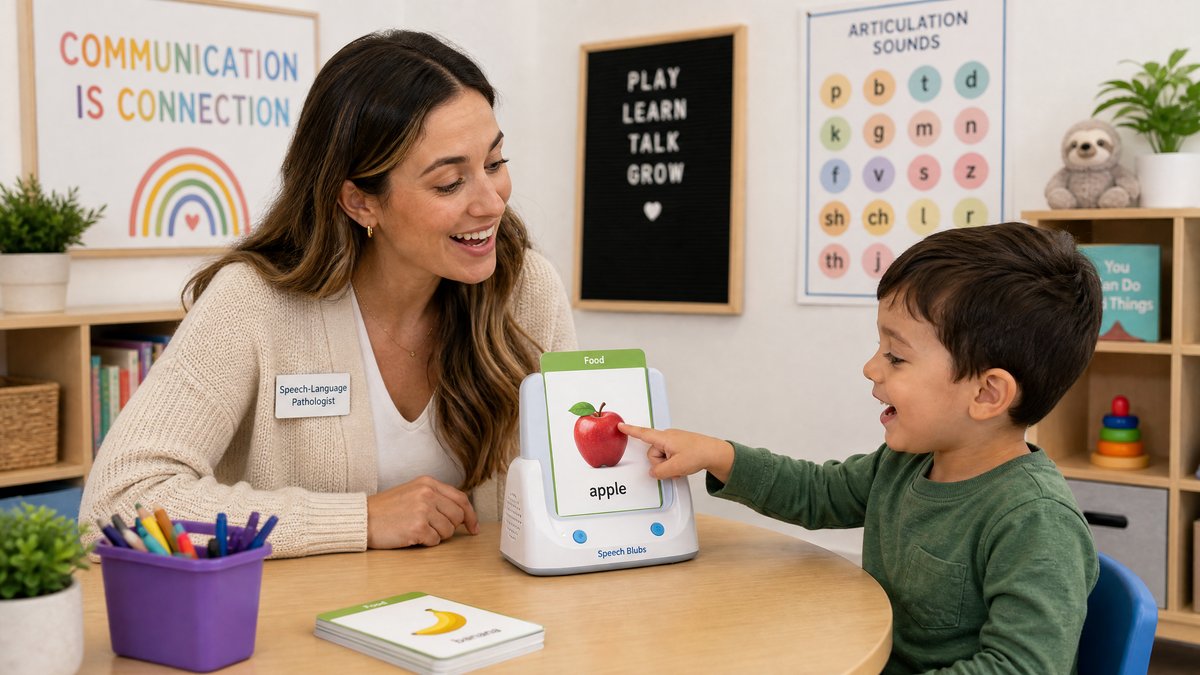
The Pedagogical Power of Multisensory Tactile Learning
Modern early childhood pedagogy, including the Montessori and Reggio Emilia approaches, emphasizes that young children learn best through physical, hands-on interaction. Tablets isolate a child’s interaction to a flat, glass surface, which lacks the tactile feedback necessary for fine motor skill development.
In contrast, a talking flashcard reader requires the child to physically grasp a card, align it with the slot, and insert it. This simple action engages multiple senses and motor systems simultaneously:
– Visual: The child observes the high-contrast illustration on the card.
– Tactile: The child feels the thick, textured paperboard and practices precise hand-eye coordination.
– Auditory: The internal speaker delivers high-fidelity, clear pronunciation, reinforcing phonics and vocabulary.
This multisensory loop, rooted in Allan Paivio’s Dual-Coding Theory [2], significantly accelerates word association and memory retention compared to passive screen viewing.
Classroom Durability vs. Fragile Consumer Tablets
For school administrators, the total cost of ownership (TCO) is a primary budget metric. Consumer tablets like iPads are fragile, expensive to repair, and require constant charging, software updates, and IT management. A single drop onto a classroom floor can shatter an iPad screen, rendering a $300 investment useless.
Toyvao’s talking flashcard readers are engineered specifically for the rough-and-tumble environment of modern classrooms:
| Durability & Operational Metric | Toyvao Screen-Free Reader (Institutional Grade) | Standard Consumer Tablet (iPad / Android) | Institutional Cost & Operational Impact |
|---|---|---|---|
| Unit Sourcing Cost | $4.00 – $8.00 (Bulk Wholesale) | $150.00 – $350.00 | Allows schools to purchase one device per child instead of sharing. |
| Drop Resistance | Passed 1.5m drop test onto concrete | High risk of screen shattering on first drop | Virtually eliminates replacement and repair budgets. |
| Battery Management | Up to 6 hours active use, standby for 30 days | High power drain, requires daily recharging | Minimal teacher maintenance; always ready for lesson plans. |
| Software & IT Overhead | Zero software updates or IT management | Frequent OS updates, app subscriptions, Wi-Fi setup | Saves school IT staff hundreds of hours of configuration. |
| Classroom Distraction | Zero. Focuses 100% on the active lesson card | High. Children constantly try to exit educational apps to play games | Enhances classroom focus and improves teacher efficiency. |
Solving the Speech Therapy and Special Education Bottleneck
In specialized educational environments, such as speech-language pathology (SLP) clinics and special education classrooms supporting children on the autism spectrum, talking flashcard readers have become indispensable clinical tools.
Children with speech delays or auditory processing disorders require clear, natural, and highly repetitive pronunciation to master phonemes. Toyvao’s readers utilize premium high-fidelity voice chips (sampling rates up to 16kHz) and custom-calibrated speakers that reproduce natural human speech without the metallic, digital distortion common in low-cost toys.
Furthermore, because our devices are screen-free, they do not trigger the sensory overload or addictive behaviors often seen in neurodivergent children exposed to tablets, allowing therapists to conduct longer, more productive sessions.
Bulk Sourcing Benefits with Toyvao
When educational distributors and school districts partner directly with Toyvao, we provide comprehensive institutional support:
– Custom Curriculums: We can pre-program our voice chips with custom vocabulary lists, phonics programs, or multi-language curriculums tailored to specific national school standards.
– Reinforced Hardware: We offer custom, extra-thick ABS casings and ultra-durable dual-layer pasted learning cards designed to withstand years of classroom abuse.
– Custom Institutional Packaging: Bulk packaging options reduce shipping volume and minimize classroom waste.
Conclusion: Sourcing the Future of Screen-Free Education
The screen-free educational revolution is not a temporary trend; it is a permanent pedagogical shift driven by scientific consensus and practical classroom realities. By sourcing Toyvao’s certified, highly durable, and pedagogically sound talking flashcard readers in bulk, educational distributors and institutions provide children with a healthy, engaging, and highly effective learning environment.
Request Our Institutional Sourcing Catalog
Contact our B2B team to receive our dedicated school sourcing catalog, volume pricing sheets, and academic case studies.
- Email: sales@toyvao.com
- Engineering Support: engineering@toyvao.com
- WhatsApp/Business Line: +86 186 8106 4480
- Factory Address: Toyvao Manufacturing Park, Bao’an District, Shenzhen, Guangdong Province, China.
References
- [1] World Health Organization (WHO). (2025). Guidelines on Physical Activity, Sedentary Behaviour and Sleep for Children Under 5 Years of Age. https://www.who.int
- [2] Paivio, A. (2024). Cognitive Science and the Dual-Coding Theory of Early Childhood Language Acquisition. https://www.sciencedirect.com
Related Articles:
Useful Resources:
