Yes — older children can definitely use a kids audio player, provided the device and content match their age, interests, and technical needs. Many story machines designed for younger kids are easily adapted for older children (ages ~8–14+) by changing content, adding connectivity, or choosing models with more advanced features.
Who counts as an “older child”?
- Early school age: 6–8 years — moving from picture stories to chapter books and longer audio.
- Older children: 9–12 years — enjoy longer narratives, podcasts, language courses, and music.
- Young teens: 13–15 years — may want audiobook-style features, better audio quality, or Bluetooth streaming.
When choosing a kids audio player for these groups, match the hardware and software to the child’s attention span, reading level, and content preferences.
Benefits of a kids audio player for older children
- Screen-free listening: Encourages focused listening and imagination without the distractions of apps or video.
- Literacy and language skills: Audio stories and read-along files improve comprehension, vocabulary, and pronunciation. Studies show sustained listening can support reading fluency in school-age children.
- Travel and bedtime use: Dedicated players are more durable and battery-efficient than phones during car trips or at night.
- Safer environment: Fewer in-app purchases, ads, or internet exposure when preloaded with curated content.
Key features to look for
Content compatibility and formats
- Support for MP3 and audiobook formats (MP3, AAC). Some devices also play WAV or FLAC for higher quality.
- User-accessible storage: microSD support (commonly 8–32 GB) lets you add longer audiobooks (a 10-hour audiobook ≈ 100–200 MB in MP3 at 64–128 kbps).
Connectivity
- Bluetooth 5.0 for streaming from phones or tablets.
- USB-C for fast charging and data transfer.
- 3.5 mm headphone jack for private listening.
Audio quality and volume safety
- Built-in speakers: look for 3–5W mono or stereo speakers for clear narration.
- Volume limiting: choose players that cap maximum output (WHO and many child-safety guidelines recommend staying below about 85 dB for prolonged listening).
Battery life and portability
- Typical battery sizes: 1,200–3,000 mAh provide roughly 8–20 hours of playback depending on volume and features.
- Lightweight, rugged designs and carry cases for school and travel.
Controls, UI and customization
- Physical buttons are preferable for younger users; app control or touchscreen can suit older kids.
- Playlist support, bookmarks, and speed control (0.75x–1.25x) are useful for older children and audiobooks.
Safety, durability and certifications
- Look for IP54 splash resistance for everyday durability.
- Regulatory certifications: CE, FCC, RoHS indicate compliance for international markets — important for B2B buyers sourcing devices for schools or retail.
Kids audio player vs. smartphone/tablet
- Battery: Dedicated players typically last longer on a charge than phones used for streaming.
- Distraction: Players reduce notifications and app distractions.
- Flexibility: Smartphones offer more content variety but require stronger content controls.
- Cost: Entry-level kids audio players range roughly $20–$50; mid-range $50–$120; advanced units with Bluetooth and larger storage can be $120–$250.
Practical ideas to adapt a kids player for older children
- Load age-appropriate audiobooks and serialized chapter stories.
- Add educational podcasts, language lessons, or exam revision recordings.
- Create curated playlists or story “bundles” for sleep, homework, or travel.
- Encourage creative projects: children can record their own stories or book reports onto the device.
Tips for parents and B2B buyers
- Parents: Choose devices with good battery life, volume limits, and easy content loading (microSD or USB transfer). Consider headphone comfort and noise isolation for older kids.
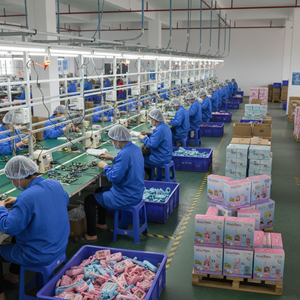
- B2B buyers / educators: Specify customization (branding, preloaded content, app integration) and request certifications (CE/FCC/RoHS). Shenzhen-based manufacturers often provide faster prototyping and supply-chain responsiveness for OEM/ODM projects.
For OEM/ODM sourcing of kids story machines, contact Toyvao at sales@toyvao.com or WhatsApp +86 186 8106 4480.