Yes — many kids story machines can play audiobooks, but whether a particular device can play the audiobook files you own depends on its features (file format support, Bluetooth streaming, DRM compatibility, and storage/battery specs). In practice, most children’s audio story players will play common audiobook formats (MP3, WAV, AAC) and can stream DRM-protected apps (like Audible) only by Bluetooth from a phone or tablet — not by directly reading Audible’s AA/AAX files.
H2: How kids story machines play audiobooks — the common methods
H3: 1. Native playback from onboard files
– Many kids story machines include built-in stories and also accept files from microSD cards or USB. If your audiobook is in a DRM-free format (MP3, WAV, AAC, FLAC), you can copy it to the device’s storage and play it directly.
– Typical storage ranges: 4 GB to 32 GB built-in, with microSD expansion often up to 32–128 GB. That’s enough for dozens or hundreds of audiobooks (an average audiobook at 128 kbps MP3 is about 60–100 MB per hour).
H3: 2. Bluetooth streaming (A2DP)
– Bluetooth A2DP (usually v4.0 or v5.0 on modern models) lets you stream audiobooks from a smartphone or tablet running Audible, Libby/OverDrive, Google Play Books, or other apps.
– This is the easiest way to play DRM-protected audiobooks: pair the phone to the story machine and play from the app; audio routes to the kid-friendly speaker.
H3: 3. App-based or cloud-enabled players
– A few advanced kids story machines have companion apps or connect to a cloud service. These may support purchased/streamed content via the manufacturer’s ecosystem, but support for third-party DRM (Audible) is uncommon.
H2: DRM and Audible — what parents should know
– Audible’s formats (AA/AAX) are DRM-protected. Most standalone kids players cannot directly open AA/AAX files unless the player is specifically licensed by Audible.
– Practical workarounds:
– Stream Audible via Bluetooth from your phone to the story machine (recommended).
– Buy DRM-free audiobooks (from stores that sell MP3 audiobooks) or use free public-domain audiobooks (LibriVox).
– Do NOT use illicit file conversion tools — illegal and often unsafe.
H2: Important technical specs to check when buying
H3: Audio and playback
– File formats: Confirm MP3, WAV, AAC support; FLAC if you want lossless.
– Speaker power: Kids players typically have 1.5–5 W speakers. Higher wattage generally gives clearer sound but check for distortion at high volumes.
– Volume limiting: World Health Organization recommends limiting exposure to 85 dB for children — look for devices with a preset volume limiter.
H3: Connectivity and storage
– Bluetooth: A2DP support is essential for streaming from phones (Bluetooth 4.0 or 5.0 preferred).
– Ports: USB-C or micro-USB for file transfer/charging, and a microSD slot for offline storage.
– Storage: 4–32 GB built-in is common; microSD allows easy expansion.
H3: Battery and portability
– Battery life ranges from 8 to 20+ hours depending on model and usage. Look for rechargeable lithium-ion batteries with clear run-time specs.
H2: Practical tips for parents
- For Audible listeners: Use Bluetooth streaming from a phone or tablet to the story machine to play your library easily.
- For screen-free, offline listening: Buy or convert audiobooks to DRM-free MP3 and preload them to the device’s microSD card.
- Check for parental controls: sleep timers, content age labels, and volume limiters are useful for bedtime listening.
- Prioritize build quality and certifications: CE, FCC, RoHS and child-safe materials (BPA-free plastics) are important for durability and safety.
H2: Comparison: kids story machine vs tablet vs smart speaker
- Kids story machine: Simple UI, durable, screen-free by design, often has volume limiters and kid-safe content; best for younger children and bedtime routines.
- Tablet: Versatile and supports all audiobook apps natively, but less durable and screen exposure is a concern.
- Smart speaker (e.g., Amazon Echo, Google Home): Great for streaming Audible or library apps, but not designed specifically for children and lacks some childproofing and simple controls.
H2: Buying for home or B2B: checklist for buyers and retailers
– Must-have features: MP3/AAC support, Bluetooth A2DP, microSD slot, rechargeable battery, volume limiter, sleep timer.
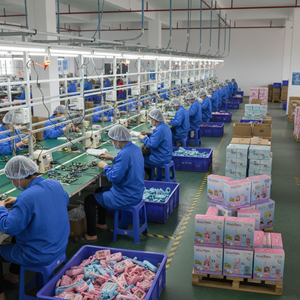
– Manufacturing/OEM considerations: Ask about minimum order quantity (MOQs typically 500–1,000 units for custom models), lead times (often 30–60 days depending on tooling), custom preloaded content, private label options, and required certifications.
– Ask suppliers for speaker spec sheets (W RMS), battery mAh and runtime, supported codecs, and firmware update capability.
For OEM/ODM sourcing of kids story machines, contact Toyvao at sales@toyvao.com or WhatsApp +86 186 8106 4480.