
Long-range walkie-talkies sound perfect for adventures and big events, but many people worry about legal issues and hidden rules before they buy or use them.
You need a license to use long-range walkie-talkies if they transmit on regulated frequencies, like GMRS in the US or some UHF/VHF bands. Short-range FRS radios don’t need a license.
I discovered this rule when I planned a community camping trip. People often assume all walkie-talkies are toys or open to use anywhere. That’s not true in most countries. Regulations help prevent unwanted interference and keep communication reliable.
What kinds of walkie-talkies need a license?
Every shopper faces a mix of product labels and acronyms, which makes choosing the right model difficult. Hopefully, this breakdown helps you spot what’s legal and what’s not.
Walkie-talkies that use GMRS (General Mobile Radio Service), some UHF/VHF commercial radios, and extra-high-powered devices require a user license from the government. FRS (Family Radio Service) models used for short-range don’t require a license.
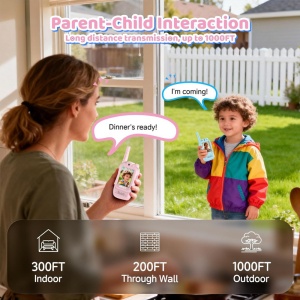
When I bought walkie-talkies for my child’s school event, I could pick between GMRS and FRS. GMRS radios gave longer range but came with official warnings—the FCC expects adult users to apply for a license. FRS units, on the other hand, had lower power, and anyone—including children—could use them. Similar rules apply across Europe and Asia, though the channel names and standards may change.
Here’s a table showing common walkie-talkie types and license needs:
| Type | License Needed? | Frequency Band | Typical Range |
|---|---|---|---|
| FRS (USA) | No | UHF | Up to 2 miles |
| GMRS (USA) | Yes | UHF | Up to 5–20 miles |
| PMR446 (EU) | No | UHF | Up to 3 miles |
| Commercial VHF | Yes | VHF/UHF | 5–30+ miles |
Choosing a licensed radio means you get more power, more range, and better reliability—but also more responsibility.
How do you get a walkie-talkie license and what does it cost?
Parents and outdoor fans want clear steps, not complicated paperwork. I had questions myself when registering with the FCC.
To get a GMRS license in the US, apply online at the FCC website, pay a fee (around $35), and cover your whole family with one license. In other countries, check local telecom regulators. Commercial radio licenses need extra steps or testing.
I found the FCC site simple enough after I searched for instructions. The process takes about 10–30 minutes. You will fill out basic information, pay by credit card, and receive a license number. The US GMRS license lasts 10 years. No exam is needed. European countries use their own processes, sometimes with different costs or channel rules.
Here is a summary table for major license types:
| Region/Country | Service | License Needed | Typical Fee | Validity |
|---|---|---|---|---|
| USA | GMRS | Yes | ~$35 | 10 years |
| USA | FRS | No | $0 | No license |
| EU (UK/DE/FR) | PMR446 | No | $0 | No license |
| Other (Asia) | Local VHF/UHF | Sometimes | Varies | 1–5+ years |
Most commercial radio licenses cost more and may need knowledge testing. Always use correct paperwork to avoid fines or accidental interference with emergency services.
What happens if you use a long-range walkie-talkie without a license?
Some users hope to skip rules, but legal risks and technical problems often follow. I have read stories of fines and confusion in big outdoor groups.
If you use a licensed walkie-talkie without approval, you risk government fines, confiscation, or interference with public safety channels. The device may also fail to work as advertised in restricted zones.

My friend tried a GMRS radio at a fair without a license and got static and warnings from staff. In many countries, authorities can monitor illegal frequency use and issue penalties as high as thousands of dollars. Commercial radios may block emergency services, airports, or police lines if misused.
Here’s a basic comparison table:
| Scenario | Possible Result |
|---|---|
| Using FRS/PMR toy radios | No risk |
| Using GMRS/VHF unlicensed | Fines, seizure |
| Interfering with public | Heavy penalties |
Using properly licensed radios means your device works the way it should, and you avoid trouble with local laws. Always check product documentation and ask retailers about local rules before buying.
Are there safe alternatives to long-range walkie-talkie for families?
Many families want practical solutions for camping, school trips, or community outings but worry about cost or red tape. I have helped several friends find a middle ground.
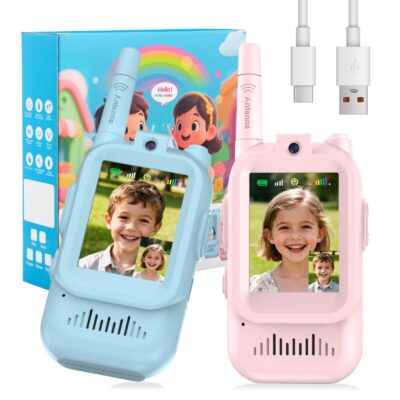
Safe alternatives for families include short-range FRS or PMR radios, app-based walkie-talkie solutions, and special kid-friendly devices. These provide legal, easy, and reliable communication in most group situations.

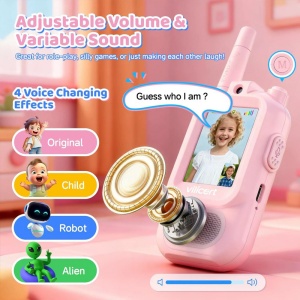
I noticed kids enjoyed talking and playing on basic walkie-talkies with about 2-mile ranges. These always work inside parks, neighborhoods, or schoolyards. Smartphone apps also let families mimic walkie-talkie functions over Wi-Fi with no licensing.
| Alternative | License Needed? | Range | Best Use |
|---|---|---|---|
| FRS/PMR radios | No | Up to 2–3 miles | Play, trips |
| Walkie-talkie apps | No | Worldwide | Wi-Fi coverage |
| Smart kids’ radios | No | Limited | Home, events |
If you need more range, consider professional radios and get the right paperwork. Families can stay connected and avoid legal trouble with these trusted choices.
Conclusion
You need a license for long-range walkie-talkies using GMRS, VHF, or commercial bands. Short-range FRS and PMR models are legal and license-free for family use.
