
Do you worry your messages on a walkie talkie might get traced or overheard by police? I used to think walkie talkies were totally private and secure, but reality is more complex.
Police can track transmissions from walkie talkies using radio scanners and direction finding equipment. They can locate active radios, but cannot track the physical device unless it is transmitting. Most basic walkie talkies do not use GPS or trackable signals.
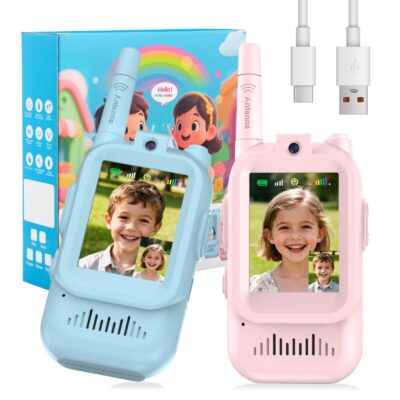
Many people use walkie talkies for games, events, or work, and assume only their group can hear them. I once relied on a walkie talkie for a school event and found that other people nearby could also listen. If you want to guarantee your privacy, read on to understand what police and others can see or hear from your device.
How do police detect and listen to walkie talkie signals?
Are you concerned that police might hear your conversations even if you switch channels often? Maybe you wonder how easy scanning really is for authorities.
Police can listen to walkie talkie signals using commercial radio scanners. They tune to the same frequency and can hear unencrypted transmissions instantly if they are within range.
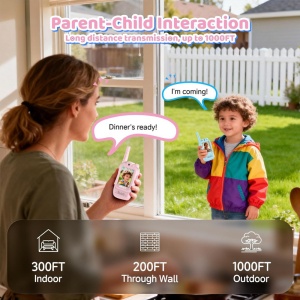
I have tested several family radios in public parks and noticed scanners pick up the signal right away. Most walkie talkies (especially kids’ models and standard FRS/PMR radios) send out open radio waves. Anyone with the right scanner or transceiver can join the conversation. Police use professional-grade receivers to cycle through local frequencies and monitor suspicious activity or crowd safety. Some advanced radios support basic privacy codes (CTCSS or DCS), but these only block accidental interference—not true eavesdropping.
How police listen to and monitor walkie talkies:
| Method | What Police Use | Limitation |
|---|---|---|
| Radio Scanners | Commercial or custom receiver | Must be in range; only hears active radios |
| Frequency Search | Automated scanning and logging | Cannot decrypt; no auto location |
| Privacy Codes | Listen for open tones or codes | Do not encrypt voice, only block overlap |
Any unencrypted, analog walkie talkie chat is always possible to monitor at short range.
Can police track the physical location of a walkie talkie?
Some people believe walkie talkies are trackable anywhere, like phones. You may wonder if police can pinpoint your exact location just by your radio use.
Police can locate an active walkie talkie’s position using direction finding equipment. This works by measuring the angle and signal strength of radio waves during transmission, but requires specialized gear and only works while you talk.

I once saw a demonstration at an emergency services expo. The police used handheld antennas and vehicle-mounted receivers to home in on someone transmitting. As soon as the walkie talkie was silent, tracking stopped until the device broadcast again. Most walkie talkies do not include GPS unless they are expensive commercial units. Standard radios only reveal approximate location by radio triangulation when they send a voice or tone over the air. Passive radios cannot be tracked and cannot be detected when off.
How Direction Finding Works
| Tools Used | Process | Limitation |
|---|---|---|
| Yagi Antenna | Find direction of signal | Needs active broadcasting |
| Multiple Receivers | Triangulate location | Accurate only with many sites |
| Signal Strength | Gauge distance, not exact spot | Cannot track when idle |
If you do not transmit, the walkie talkie is silent and invisible to police gear.
Can encrypted or digital walkie talkies avoid police tracking?
Maybe you want extra privacy with encrypted radios or digital channels. You wonder if police can still listen or locate these devices.
Police have more trouble listening to encrypted digital walkie talkies. Most advanced models scramble voice and block standard radio scanners. However, tracking is still possible if the device sends a radio signal.

I have used commercial DMR radios at work. Police scanners may show a channel is active but cannot decode the private content unless they have legal access to the encryption system. Military and licensed government radios use stronger encryption. Some also broadcast metadata for location, but regular consumer models do not. Police can still find the direction and area of the broadcast if they use technical equipment and multiple receivers, but voice messages stay unreadable without keys.
Digital and Encrypted Walkie Talkie Security
| Type | Police Can Listen | Device Can Be Tracked | Common Use Cases |
|---|---|---|---|
| Analog/Frequency | Yes | Only while talking | Kids, family, events |
| Digital/DMR | Sometimes | Only broadcasting | Commercial, security |
| Encrypted | Rarely | Yes, if transmitting | Police, military, VIP |
For maximum privacy, choose digital walkie talkies with encryption, but remember location tracking is still possible during any broadcast.
Conclusion
Police can monitor and track walkie talkies only when signals are sent. Basic radios are easy to listen to and find, but advanced models resist eavesdropping, not direction finding.
