
Parents and tech buyers want simple video communication for kids and teams—classic walkie-talkies just don’t show a face or a smile. Everyone asks, “Is there a walkie-talkie with video?”
Yes, there are video walkie-talkies. Some use Wi-Fi or cellular networks for real-time video and voice, while others pair HD video with classic push-to-talk functions. Top models include Relay Go, LoRa video radios, and rugged kids’ video walkie-talkies.

I remember when my child asked if her toy walkie-talkie could send her face to Grandma. That started my search for real video walkie-talkie solutions. Many families, event organizers, and safety teams now want face-to-face video over short distance, not just voice. Let’s look at what works.
What brands offer video walkie-talkies?
Kids wish they could see their friends while they talk, and parents want the same safety feature. Which companies actually make video walkie-talkies?
Video walkie-talkies are made by brands like Relay, Motorola (with Wi-Fi options), and startup companies using LoRa or 4G chips. The Relay Go, for example, acts like a push-to-talk video device for families, while business models like Hytera and Vokkero target industrial users.
Relay Go is the most popular in the U.S., combining 4G/LTE data with nationwide coverage, hands-free voice, GPS location, and video features. For younger kids, smaller brands on Amazon offer simple video walkie-talkies with short-range Wi-Fi, like Wishouse or CatXQ kid models. In business and construction, advanced units from Hytera and Inrico look like smartphones and offer group PTT video calling to the whole team.
Here is my table showing examples:
| Brand | Main Use | Tech/Range | Video Feature |
|---|---|---|---|
| Relay Go | Family, kids | Cellular, Nationwide | Yes (app) |
| Wishouse | Kids' play | Wi-Fi mode, 100–500m | Yes (HD) |
| Hytera/Inrico | Pro teams | 4G/Wi-Fi, wide-area | Yes (group/ind.) |
| CatXQ | Kids’ toys | Local Wi-Fi, 200m | Yes (color) |
Video walkie-talkies are no longer just a dream; the tech exists, and it’s improving fast.
How do video walkie-talkies work differently from classic walkie-talkies?
Parents and field leaders want to know: Will video walkie-talkies work anywhere, or do you need special tech?
Video walkie-talkies send both voice and video using Wi-Fi, 4G/5G, or proprietary radio. They handle more data than voice-only radios, so they need more reliable connections and battery power. Some only work face-to-face in range; others need a phone signal or Wi-Fi hotspot for video.
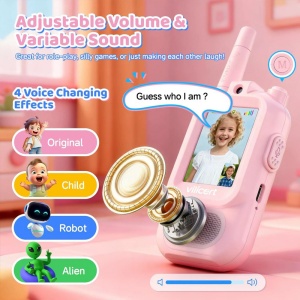
I tested a few models—Relay Go worked anywhere with cellular data, streaming video like a “walkie-talkie FaceTime.” Wishouse kids’ models need both units nearby on the same Wi-Fi or a mesh signal. Hytera radios can operate across a job site using the building’s own network, linking all PTT video calls.
Let’s compare:
| Function | Classic Walkie-Talkie | Video Walkie-Talkie |
|---|---|---|
| Voice | Yes | Yes |
| Video | No | Yes |
| Connection | Radio (VHF/UHF/FRS) | Wi-Fi/Cellular/LoRa |
| Range | Up to 5 miles (open) | 200m–nationwide |
| License Needed | No/Yes | No (Wi-Fi/cellular) |
| Battery Life | Long | Shorter |
| Best For | Hikes, events, play | Video check-ins, safety |
You get real face-to-face communication, but you must keep devices charged and sometimes need data service.
What are the use cases for video walkie-talkies?
I started with traditional voice walkie-talkies while hiking but soon saw the need for video check-ins—quickly seeing my children’s faces calmed my own nerves. Kids love the fun, and teachers or work crews want proof of location and status.
Video walkie-talkies are best for kids’ play, family check-ins, care home safety, job site verification, and team video instructions. They bring visual confirmation, not just sound, to help with safety, learning, and fun.
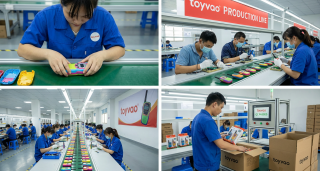
Video walkie-talkies are not just toys: They turn play into learning, help parents see their kids’ well-being at a glance, and allow team leaders to verify tasks in the field. For example, in elder care, staff send video updates to office managers. At events, organizers use them to provide proof of setup or crowd size. Most kids just want to smile and wave at their best friend or mom while talking!
Here’s a breakdown:
| Use Case | Benefit | Example |
|---|---|---|
| Kids’ Play | Safety, fun, learning | Home/yard |
| Family Check-in | Peace of mind | Vacation, mall |
| Teamwork | Proof-of-completion | Events, security |
| Elder Care | Risk reduction | Care facility rounds |
| Teaching | Visual learning | Teachers, students |
Families, schools, and businesses all benefit from instant visual contact.
What are the limits or drawbacks of video walkie-talkies?
People expect video walkie-talkies to be perfect, but there are some real-world limits. My daughter once walked out of Wi-Fi range, and suddenly the video feed was gone.
Video walkie-talkies need strong connections and more battery than classic radios. Range is limited by Wi-Fi or cell data, not just “open air.” They are more expensive, heavier, and not as rugged as classic walkie-talkies.

Unlike classic walkie-talkies, most video models can’t reach as far off-grid. Dropping them can break the camera. Streams can lag if the signal is weak, and some require regular paid service or a nearby Wi-Fi router. Most families use video walkie-talkies for short-range, supervised play, quick check-ins, or indoor teamwork—not mountain hikes.
Here’s a clear comparison:
| Limitation | Video Walkie-Talkie | Classic Walkie-Talkie |
|---|---|---|
| Battery Use | High | Low |
| Range | Short-Wi-Fi/Cell | Long (no Wi-Fi needed) |
| Cost | Med/High | Low |
| Durability | Lower (camera risk) | Higher |
| Usability | Simple, fun | Simple, rugged |
You need to decide: Is visual contact worth charging more often, or do you need traditional, voice-only range?
Conclusion
Video walkie-talkies exist! They are fun, useful for family check-ins, and practical for teams—but they depend on Wi-Fi or cellular, not “true radio” for maximum range.
