Many parents worry about walkie-talkies being unsafe or complicated for children—will they hurt, break, cause problems, or put kids at risk from strangers?
Yes, there are safe walkie-talkies for kids. The safest models use BPA-free, non-toxic plastics, have FCC/CE safety certification, volume limits to protect hearing, and privacy features to keep children off public or adult channels.
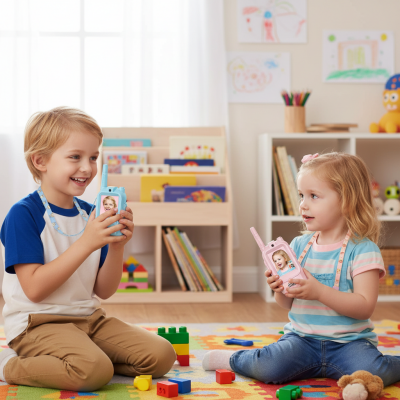
I remember hunting for the right walkie-talkie before a school trip, reading warnings about poor plastics and open frequencies. Parents want peace of mind: sturdy toys, not gadgets with grown-up dangers. Do safe walkie-talkies really exist today? Yes—if you pick with care and look for proof of safety features.
What materials and certifications make a walkie-talkie safe for kids?
Walkie-talkies often seem basic, but not all plastics or parts are truly safe—some cheap products skip important rules or use harmful materials.
The safest walkie-talkies for kids are made from BPA-free, non-toxic ABS plastics and pass both FCC (USA) and CE (Europe) certifications. This means they contain no harmful chemicals and meet tough standards for radio and child safety.
I always check labeling and packaging for real proof: “BPA-free,” “CE,” or “FCC.” The good brands (like Obuby or Retevis) publish certificates on their website or inside the box. Watch out for fake marks or missing info. Here’s what to check:
| Safety Element | Why It Matters | What to Look For |
|---|---|---|
| BPA-free plastic | Safe for younger children | BPA-free, ABS, RoHS labels |
| FCC/CE marks | Legal radio operation | Printed stickers or in manual |
| CPC certification | Child Product Certificate | On package, especially in USA |
| Rounded edges | Less risk of injury | No sharp points or seams |
When in doubt, I choose a brand listed on Amazon, Walmart, or specialty toy shops with reviews mentioning safety, not just price or features.
Which kids’ walkie-talkies protect privacy and prevent accidents?
Kids like to press buttons and talk on random channels. Is there a risk of talking to strangers or hearing things they shouldn’t?
Safe walkie-talkies for kids provide channel lock, privacy codes, and lower transmission power. This limits accidental eavesdropping and ensures your child's voices don’t travel far outside the play area.
On family trips, I always show my kids how to set a unique channel—most sets (Retevis, Motorola, Wishouse) offer 8-22 channels and sometimes “privacy codes.” Lock switches prevent channel changes by accident. Here’s what matters most:
| Feature | What It Does | Why It Keeps Kids Safe |
|---|---|---|
| Channel lock | Stops unwanted switches | Kids stay on the right channel |
| Privacy code (CTCSS/DCS) | Adds interference barrier | Less likely to hear outsiders |
| Short range limit | Small broadcast area | Only works nearby |
| Volume limit | Protects young ears | No sudden loud noises |
Pick a model where you can set and lock the channel. For young kids, check for an “intercom” type, meaning only paired walkie-talkies can talk to one another.
How do you check durability and other safety details at home?
A nice box means nothing if a walkie-talkie breaks or hides weak parts inside. What can a parent really check before letting kids play?
Check that the walkie-talkie’s battery compartment is screw-secured, the antenna is not sharp or detachable, and the device is drop-tested. Choose models with a lanyard or belt clip to avoid choking or dropping risks.
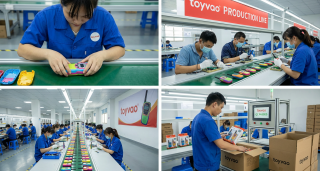
I give all new gadgets a gentle “drop test” on carpet. If the battery pops out, or the cover breaks, it goes back. Good models use an extra screw on the battery door (like Retevis and Obuby) and soft, shock-absorbing shells. Here’s what to check yourself:
| Safety Detail | What to Do | Good Models Example |
|---|---|---|
| Tight battery door | Should need a screwdriver | Retevis, Motorola |
| Smooth antenna | No sharp ends | Obuby, Selieve |
| Drop resistance | Survives 1-2 meter drop | Wishouse, Retevis |
| Belt clip/lanyard | Easy to attach, not too small | Selieve, Wishouse |
Check for loose batteries or parts. Watch your child the first few uses. If your model breaks with a fall, switch to a better brand.
Conclusion
Yes, there are truly safe walkie-talkies for kids—just look for BPA-free materials, real safety certification, privacy features, and good design to keep play fun and secure.
