
I remember a storm that cut phone service for hours. My walkie talkies still worked. I could reach my family across the neighborhood.
Yes. Walkie talkies work without cell towers. They use direct radio-to-radio links on license-free bands like FRS or PMR446. Range depends on terrain, power, antennas, and channel congestion.
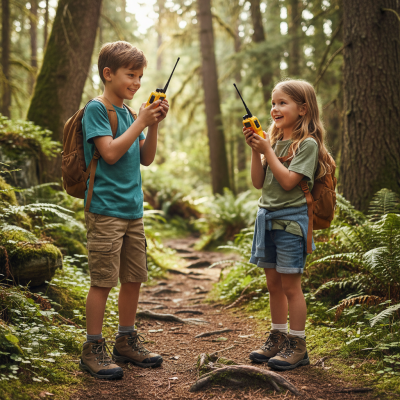
I want you to keep reading because this is about simple tools that do not fail when networks do. I will share how range really works, how to set channels fast, and what to carry before a storm.
How do walkie talkies connect without any network?
I stood on my porch and pressed PTT. My partner answered from two blocks away. No tower. No provider. Just radios.
Walkie talkies talk radio-to-radio, called simplex. Your voice rides on a shared frequency. No tower or internet is needed. A clear line-of-sight gives the best results.
Dive deeper
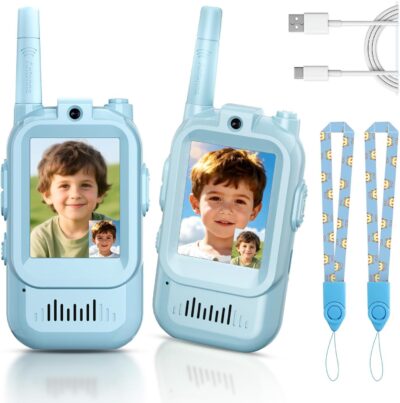
Walkie talkies use simplex. One radio transmits while the other listens on the same channel. Family Radio Service (FRS) in the U.S. and PMR446 in Europe are common license-free services. They use fixed channels, low power, and small antennas. Distance depends on path loss and obstacles. Buildings, hills, trees, and cars block or reflect signals. Height helps a lot. If I step onto a hill or a balcony, range grows. If I stand behind a concrete wall, range drops. “Privacy codes” like CTCSS/DCS only control what my speaker opens for. They do not add range or security. During outages, I keep messages short. I use call signs like “Home” and “Car” to reduce confusion. I speak, then pause a half-second before talking so the first word is not cut. This simple flow works without any network in between.
| Term | Meaning | Why it matters |
|---|---|---|
| Simplex | Direct radio-to-radio | No towers needed |
| FRS/PMR446 | License-free bands | Easy to use |
| CTCSS/DCS | Squelch tones | Mutes noise, no privacy |
What range should I expect when towers are down?
I once read “35 miles” on a box. I laughed. Real life told me the real numbers.
Expect a few blocks in dense cities, 0.5–2 miles in suburbs, and 1–5 miles in open areas with FRS/PMR radios. Elevation and clear line-of-sight can extend this.

Dive deeper
Range claims on packaging assume peak line-of-sight from hilltop to hilltop. Most of us talk at street level. In cities, steel and concrete crush range. I plan for 0.2–0.8 miles. In suburbs, I see 0.5–2 miles. On open water or ridgelines, I can reach several miles. Weather has less effect than terrain, though heavy rain and wet foliage can reduce signals. Battery level matters. Low batteries shrink output power and distort audio. Holding the radio upright improves the antenna pattern. Staying away from large metal objects reduces detuning. If I must push range, I move to higher ground, use the clearest channel, and keep the message short. If I need coverage across a large campus, I plan relays: one person in the middle repeats key messages.
| Environment | Typical range | Tip |
|---|---|---|
| Dense city | 0.2–0.8 mi | Go higher, face windows |
| Suburbs | 0.5–2 mi | Pick quiet channels |
| Open areas | 1–5 mi | Keep line-of-sight |
Do “privacy codes” help during emergencies?
I tried codes at a busy trailhead during a blackout. I heard only my group. That felt clean. I knew the limits.
Codes cut unwanted chatter but do not secure audio. Anyone on the same channel without codes can hear you. Use them for sanity, not secrecy.
Dive deeper
CTCSS adds a low tone. DCS adds a digital pattern. My radio opens audio only when it detects the right tone or code. This keeps our radios quiet in crowded areas. It does not encrypt. In a real emergency, I keep one radio in “monitor” mode to hear all traffic on our channel. This helps if a neighbor needs help and does not use our code. I also teach my group to switch codes off when scanning for updates, then back on when we operate. I set a primary channel and a backup channel with a different code. If someone else appears on our primary, we move fast without long talk on-air.
| Setting | Use during outage | Risk |
|---|---|---|
| CTCSS/DCS on | Quiet group comms | Miss others calling |
| Monitor mode | Hear all traffic | More noise |
Are GMRS or licensed radios better when networks fail?
I tested FRS and GMRS sets during a windstorm. GMRS reached farther with the same positions.
GMRS allows higher power and better antennas, so range improves. It needs a license in the U.S. Amateur radio goes farther still, but requires study and rules.

Dive deeper
FRS has fixed antennas and low power. GMRS permits up to 5 W on handhelds and detachable antennas on mobiles and base units. A GMRS family license covers your household in the U.S. With a mobile radio in a car and an external antenna on the roof, the range jump is clear. Amateur (ham) radio opens more bands, modes, and power. Hams can build local nets and even use off-grid repeaters. In some disasters, ham groups provide key links. For families, I often start with FRS for simplicity, then add GMRS if we need more reach. If we want skills and community nets, we add ham. I always follow local laws.
| Service | License | Power/antenna | Range |
|---|---|---|---|
| FRS | No | Fixed, low power | Short |
| GMRS (US) | Yes | Higher power, better antennas | Medium |
| Amateur | Yes | Flexible, many bands | Medium–long |
What setup should I use at home for outages?
After one long outage, I built a simple home kit. It paid off the next storm.
I keep two charged radios, spare batteries, a channel card, a whistle, and a paper contact list. I add a car charger and a small USB power bank.
Dive deeper
I label a primary and backup channel with codes. I tape the card to the radios. I store AA/AAA spares or a USB-C cable if radios are rechargeable. I keep a small power bank topped off. I add a bright headlamp so I can read settings at night. I include a paper list of neighbors, relatives, and medical info. I set a rule: short messages, use call signs, confirm with a repeat-back. I also place one radio near a window at home to improve reception. If I need a home base, I put the radio higher, like on a shelf. Height helps more than most people think. I run a 10-minute drill twice a year.
| Item | Why | Tip |
|---|---|---|
| Spare power | Keep radios alive | Rotate batteries |
| Channel card | Fast setup | Primary + backup |
| Window spot | Better reception | Higher is better |
Can walkie talkies reach help if I cannot call 911?
I tried to hail help for a mock drill in a park. A nearby group answered fast.
They can reach nearby people, staff, or volunteers on shared channels. They cannot dial 911 directly. Keep whistle signals and meet points as backups.

Dive deeper
On license-free bands, I can call for help from anyone listening. I use plain words: “Emergency, need medical help at the north gate.” I pause 5 seconds and repeat. I try several channels. I also carry a loud whistle and use the three-blast help signal. In parks and events, staff often monitor radios. In backcountry areas, radio reach is limited by terrain. I set meet points and time checks before I start. If I use GMRS or ham and know local repeater info, I may reach farther, but repeaters may be down if they lose power. Some have backup power, some do not. I never rely on one method.
| Method | Strength | Weakness |
|---|---|---|
| FRS/PMR callout | Simple, nearby help | Short range |
| Whistle | Carries in noise | Needs people nearby |
| GMRS/ham | More reach | License, not guaranteed |
How do I keep messages clear under stress?
I listened to a messy exchange once. It wasted time. I fixed our script and things improved.
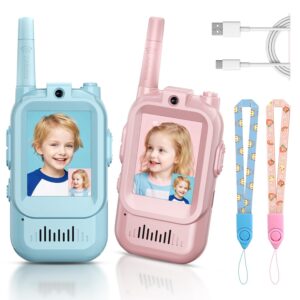
Use short call signs, location first, then need, then confirmation. Pause before speaking. End with “Over.” Practice once a season.
Dive deeper
Clarity beats volume. I set simple call signs: “Home,” “Car,” “Gate.” I press PTT, wait a half-second, and say, “Home to Car. At Maple Gate. Need jumper cables. Over.” The other side replies with a brief repeat-back: “Car to Home. Maple Gate. Bringing cables. Over.” We both know the plan. I avoid filler words. I avoid holding the button while I think. I keep the mic two fingers from my mouth and speak across it, not straight into it, to avoid breath noise. I log times on a sticky note during a long event. These small habits keep radios useful when stress rises.
| Step | Why it helps |
|---|---|
| Location first | Speeds response |
| Repeat-back | Confirms plan |
| Pause before talk | Captures first word |
Conclusion
Yes, walkie talkies work when cell towers fail. They talk directly, need no network, and cover realistic local ranges. With clear channels, power spares, and a simple script, they keep families connected.
