
I hear worry when people ask about Wi‑Fi, phones, and scans. The body feels fragile. Invisible waves sound scary.
Yes, radio waves can penetrate the human body. Most everyday radio waves pass through soft tissues with weak absorption. Power level, frequency, and exposure time set how much energy the body takes in.

I want to clear fear with simple facts. I will show how radio waves act in tissue. I will explain what changes with frequency. I will share safety rules I follow at work and at home. I will use stories from my factory visits and clinic tours.
How do radio waves interact with human tissue?
I touch my phone and ask what it does to me. I look for clear words, not rumors.
Radio waves are non-ionizing. They do not break chemical bonds. In tissue, they can pass, reflect, or heat slightly. The depth depends on frequency, water content, and conductivity.

I look at tissue like layers. Skin, fat, muscle, and bone each act different. I check the numbers for absorption, but I keep the ideas simple. I test antennas near a phantom gel in the lab. I then match that to daily use.
Dive deeper
What sets penetration
- Frequency: Lower frequencies go deeper. Higher frequencies stay near the surface. This rule helps me plan device tests.
- Tissue makeup: Water-rich tissue absorbs more. Bone reflects more. Fat can let waves pass easier than muscle.
- Power and time: More power and longer time mean more energy absorbed. Everyday devices stay low by design.
Everyday ranges
- FM radio and VHF/UHF TV: Deep penetration, but very low field strengths at the body.
- Wi‑Fi and phones at 2.4/5 GHz: Moderate penetration. Most energy stays shallow. Heating is tiny at normal use.
- 24–60 GHz (mmWave): Very shallow penetration. Most energy stays in the skin layer.
| Factor | Low-frequency (kHz–MHz) | Mid (hundreds MHz–GHz) | High (mmWave, 24–60 GHz) |
|---|---|---|---|
| Penetration depth | Deep | Moderate | Shallow (skin-level) |
| Main effect | Weak currents | Mild heating possible | Near-surface heating |
| Daily example | AM radio | Wi‑Fi, 4G/5G sub-6 | 5G mmWave hotspots |
Are everyday devices like Wi‑Fi and phones safe to carry and use?
I carry two phones. I sit next to routers at work. I want facts, not panic.
Regulators set strict limits using SAR, a measure of energy absorbed in tissue. Phones, Wi‑Fi, and Bluetooth must meet SAR limits. Normal use stays well below risk thresholds.
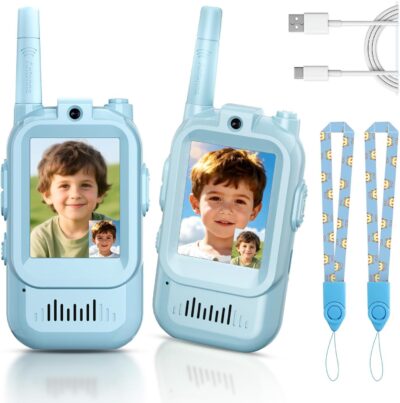
I check compliance reports for each model I buy for teams. I look at SAR numbers and test distances. I also use hands-free for long calls. I keep routers off my pillow, but I keep them in my office just fine.
Dive deeper
What SAR means
- SAR stands for Specific Absorption Rate. It is watts per kilogram. It shows how much power tissue absorbs.
- Tests use head and body phantoms. Labs measure at worst‑case power and placement.
Key limits used worldwide
- Typical limits: 1.6 W/kg averaged over 1 g tissue (US), 2.0 W/kg over 10 g tissue (EU). Both aim for safe margins.
- Devices must comply before sale. Labels and reports confirm this.
Practical habits I use
- Use speaker or earbuds for long calls.
- Keep phones a short distance from the body during high‑power use, like weak signal areas.
- Do not sleep with a router under the pillow.
| Device | Typical power | SAR compliance | My habit |
|---|---|---|---|
| Smartphone | 0.1–1 W average | Yes, certified | Use speaker on long calls |
| Wi‑Fi router | 0.1–1 W total | Low field at distance | Place away from beds |
| Bluetooth earbuds | ~10 mW | Very low | Short sessions, fine |
Do medical and industrial radio systems penetrate more deeply?
I have stood beside MRI rooms and diathermy carts. I respect these tools. I ask why they need rules.
Some medical devices use radio-frequency energy for imaging or therapy. MRI uses strong fields without ionizing radiation. RF diathermy and ablation deliver controlled heating. These are supervised because power is higher.

I watch technicians set patient positions and limits. I ask about implants. I read the logs they keep. These systems help when used by trained staff. They are not for casual home use.
Dive deeper
Types of systems
- MRI: Uses strong magnetic fields and RF pulses to excite hydrogen nuclei. It does not ionize. Protocols manage heating.
- Diathermy: Uses RF to warm deep tissue for therapy. Staff control dose and time.
- Ablation: Uses RF catheters to heat and destroy small targets, like abnormal heart tissue.
Safety controls
- Strict screening for metal and implants.
- Time and power limits based on body part and patient.
- Real‑time monitoring and emergency stop protocols.
What this means for families
- Hospital RF systems have higher power and need trained control.
- Everyday consumer devices sit far below these levels.
| System | Purpose | Power level | Supervision |
|---|---|---|---|
| MRI | Imaging | High, controlled pulses | Medical staff |
| Diathermy | Deep tissue heating | Moderate–high | Therapists |
| RF ablation | Targeted tissue destruction | High, localized | Surgeons |
Can radio waves cause cancer or DNA damage?
I hear this fear most. I sit and explain with care. I use simple words.
Radio waves are non-ionizing. They do not break DNA bonds. Large studies have not shown consistent cancer risk at everyday exposure levels. Heat is the main concern, and safety limits manage it.

I look at the difference between ionizing radiation, like X‑rays, and non-ionizing, like radio waves. That line matters. I share how we test for long-term risk and how regulators update rules when new data comes in.
Dive deeper
Ionizing vs non-ionizing
- Ionizing: X‑rays, gamma rays. Enough energy to break bonds.
- Non-ionizing: Radio, microwaves, infrared. Not enough energy to ionize.
What big studies show
- Large cohort and animal studies test for risk. Results do not show consistent harm at or below limits.
- Heat is the practical effect. Limits prevent harmful heating.
How I explain it to families
- We control power, distance, and time.
- We use certified devices.
- We focus on practical habits, not fear.
| Type | Energy per photon | Can ionize? | Main effect |
|---|---|---|---|
| Radio/Microwave | Very low | No | Heating at high power |
| X‑ray/Gamma | High | Yes | Ionization, DNA break |
Do millimeter-wave 5G signals stay in the skin?
I visit showrooms with mmWave demos. I put my hand near the antenna. I ask how deep it goes.
Yes, mmWave 5G mostly stays in the outer skin layers. Penetration is shallow. Energy does not reach deep organs. Power levels from public small cells are low.

I measure field strength at set distances. I compare it to SAR and skin models. I also watch how beam steering reduces average exposure. The beams target devices, not bodies.
Dive deeper
Why it stays shallow
- Higher frequency means shorter wavelength and higher absorption in skin water.
- Reflection at the surface increases. Less energy goes in.
What exposure looks like
- Beams are narrow and time‑shared.
- Devices and cells adjust power to the lowest needed.
My field checks
- I log signal power around small cells at 1–5 meters.
- I compare to public limit charts.
- I confirm that values stay well below limits.
| Frequency band | Penetration depth | Typical public exposure | Note |
|---|---|---|---|
| 24–40 GHz | <1 mm | Very low | Mostly skin-level |
| Sub‑6 GHz | Millimeters–centimeters | Low | Common phone/Wi‑Fi bands |
How should I reduce exposure without stress?
I like simple steps that do not break my day. I do not chase zero. I chase practical.
Increase distance when you can, use hands‑free for long calls, place routers away from beds, and limit unnecessary high‑power use in weak-signal areas. These small moves cut exposure with no drama.

I keep my phone in a bag or on a desk when I can. I set routers in the living room, not the bedroom. I turn off unused transmitters at night, like old baby monitors. I keep life easy and calm.
Dive deeper
Easy habits
- Distance: Every centimeter helps because power drops fast with distance.
- Time: Shorter calls mean lower total exposure.
- Placement: Keep routers and hubs off sleeping spaces.
Device settings
- Auto power control: Modern devices lower power when the signal is strong. Good coverage helps.
- Airplane mode: Use it when you want a full break, like in flights or during naps.
- Updates: Keep firmware updated for efficient power control.
What I do for kids
- Put Wi‑Fi in common areas.
- Use wired connections for TVs or desktops when practical.
- Avoid placing transmitters near cribs.
| Step | Impact | Effort | My note |
|---|---|---|---|
| Hands‑free calls | Medium | Low | Comfort and safety |
| Router placement | Medium | Low | Keep 1–2 m from beds |
| Strong coverage | High | Medium | Fewer high‑power bursts |
Conclusion
Radio waves do penetrate the body, but everyday levels are low and managed. Focus on power, distance, and time. Use certified devices. Keep habits simple and calm.
